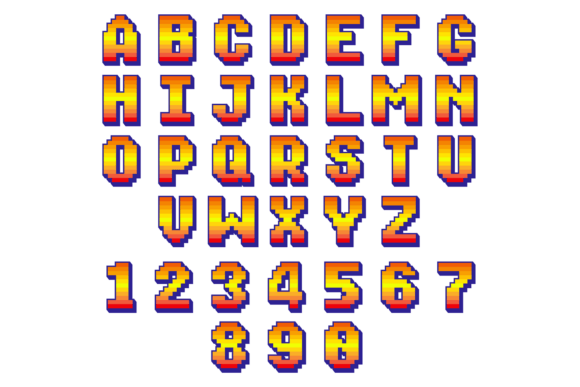
8 Bit Pixel Font: The Retro Computer Alphabet for Modern Projects
There’s a certain charm to the chunky, blocky letterforms of early video games and vintage computer screens. That distinct, grid-based aesthetic isn’t just a relic of the past; it’s a powerful design tool that immediately evokes a sense of nostalgia, playfulness, and technical ingenuity. For anyone working on a creative project, tapping into that feeling can be a game-changer. The 8 Bit Pixel Font, inspired by the classic retro computer alphabet, offers a direct line to that visual language. It’s more than just a typeface; it’s a design shortcut to a specific mood and era, perfect for adding personality and impact to everything from logos to social media posts.
Why This Pixelated Typeface Resonates Today
In a world saturated with sleek, minimalist design, the deliberate imperfection and character of a pixel font stands out. It communicates something specific: innovation, nostalgia for the 80s and 90s, a DIY spirit, or a connection to gaming culture. This isn’t about being outdated; it’s about making a conscious stylistic choice. A retro computer alphabet like this one works because it’s instantly recognizable. It doesn’t try to be something it’s not. Its strength lies in its simplicity and its ability to convey complex ideas—like “tech,” “fun,” or “vintage”—through sheer visual form. For a designer, it’s a reliable way to inject energy and a clear point of view into a project without needing elaborate illustrations.
Putting the 8 Bit Pixel Font to Work
The real value of any design asset is in its application. So, where does a pixel font like this actually shine? The list is surprisingly long and versatile.
Branding & Logo Design: For a gaming startup, a retro-themed café, a tech blog, or a podcast about pop culture, this font can form the core of a memorable logo. It’s particularly effective for brands that want to appear approachable, innovative, or infused with a sense of fun. The key is ensuring the chosen style aligns with the brand’s core personality.
Packaging & Merchandise: Imagine product labels for a craft beer, snack foods, or artisanal goods with a quirky, nostalgic twist. The 8 Bit Pixel Font on packaging immediately grabs attention on a shelf. It’s equally brilliant for merchandise like t-shirts, mugs, and stickers, where the design needs to be bold and readable from a distance.
Digital & Print Marketing: This is where the font truly excels. Use it for eye-catching social media graphics, especially for announcements, quotes, or call-to-action buttons. It’s perfect for creating cohesive Instagram stories or YouTube thumbnails. In print, it commands attention on posters, flyers, and event invitations, particularly for themed parties, game launches, or tech meetups.
Editorial & Web Design: While not suited for long body text, a pixel font is fantastic for headlines, pull quotes, and navigation elements on a website or blog. It can define the sidebar or create engaging section headers in a digital magazine. For editorial layouts, it adds a dynamic contrast to more traditional serif or sans serif fonts used for body copy.
Practical Tips for Pairing and Professionalism
Using a strong display font like this requires a bit of strategy to maintain professionalism and readability. Here’s some practical advice:
Font Pairing is Key: The 8 Bit Pixel Font is a star player, not the whole team. It needs a supporting cast. Pair it with a clean, neutral sans serif font (like Helvetica, Arial, or a geometric sans) for body text. This contrast ensures your message remains clear and easy to read while the pixel font handles the visual impact. Avoid pairing it with another highly decorative or script font, as this will create visual chaos.
Readability Considerations: At very small sizes, pixel fonts can become illegible. Always test your design at the intended viewing size. For a website button or a social media graphic viewed on a phone, ensure the text is large enough for the pixel grid to be discernible. If it’s for a logo, test it in both large and small formats to ensure the brand mark remains recognizable.
Review the Included Styles: A quality premium font often comes with more than one style. Check if the 8 Bit Pixel Font package includes variations like bold, italic, or different pixel densities. These variations give you more flexibility to create hierarchy and emphasis within your designs without compromising the overall aesthetic.
Understand the License: Before using any font in a commercial project—whether it’s a client’s logo, a product for sale, or marketing materials—review the license. Most commercial fonts require a license for commercial use. Knowing the terms protects you and your clients and is a hallmark of professional practice.
Making It Your Own: From Nostalgia to Brand Identity
Ultimately, the goal is to use a font like the retro computer alphabet not as a gimmick, but as an integral part of your visual storytelling. It’s about matching the typography to your project’s goals. Is the goal to feel nostalgic? To appear cutting-edge? To seem playful and approachable? The answers will guide how you use it—whether it’s the hero of your logo or a subtle accent in a larger design system.
Think of this 8 Bit Pixel Font as another tool in your creative arsenal. It’s a typeface with a strong personality, ideal for specific applications where that personality is an asset. When used thoughtfully, it can significantly boost visual consistency across a campaign, make a brand more recognizable, and engage an audience by tapping into a shared visual language. It’s a creative font that bridges the gap between retro charm and modern design needs, offering a unique way to make your next project stand out with authentic, pixel-perfect character.