Mastering Visual Impact with the Abstract Triangle Geometric Background
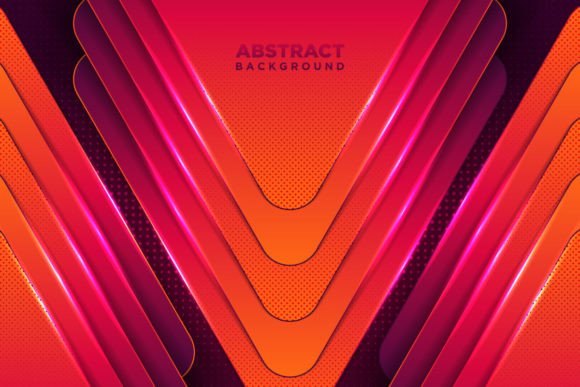
There’s a specific energy that comes from sharp angles and repeating patterns. If you’ve been scrolling through design assets lately, you’ve likely noticed a resurgence in retro-futurism and complex layering. The Abstract Triangle Geometric Background isn't just another stock image; it’s a versatile tool that bridges the gap between mid-century aesthetics and modern minimalism. For designers, entrepreneurs, and content creators, understanding how to wield this specific style—characterized by its halftone textures, wavy overlaps, and distinct light effects—can be the difference between a project that blends in and one that captures immediate attention.
At its core, this design asset is about depth and dimension. The triangles provide structure and stability, while the halftone patterns introduce a tactile, printed feel that digital designs often lack. When you add the "wavy overlap" and light effects mentioned in the file description, you create a sense of movement. It feels like light refracting through a prism or a digital landscape shifting in real-time. This creates a premium vector background that doesn’t just sit there; it draws the eye in, making it perfect for hero images on websites or striking social media banners.
The Psychology of Geometry in Branding
Why do so many brands gravitate toward geometric shapes? It’s about perception. Triangles, specifically, are associated with direction, stability, and innovation. When you use an Abstract Triangle Geometric Background in your branding materials, you are subconsciously signaling to your audience that your business is dynamic and forward-thinking.
For small business owners and entrepreneurs, this type of visual asset offers a significant advantage in brand identity. Unlike a generic photo of a city skyline or a coffee cup, a geometric background is abstract enough to fit almost any niche—from tech startups to creative agencies—while remaining unique. The halftone pattern adds a layer of texture that prevents the design from looking too sterile or "corporate," giving it a human, artistic touch.
Practical Applications for Modern Creators
The true value of a premium vector asset lies in its flexibility. Because the files included are fully editable—specifically the Illustrator EPS format—you have total control over the color palette and composition. This is crucial for maintaining visual consistency across different platforms.
Here is how you can practically apply this asset to your current projects:
- Social Media Graphics: The 1200×800 pixel size is ideal for landscape formats used on Facebook, Twitter (X), and LinkedIn cover photos. The high contrast of the geometric shapes ensures your text remains legible, even on small mobile screens.
- Website Hero Sections: A wavy, light-effect background is excellent for a landing page. It adds visual interest without distracting from the call-to-action buttons. By utilizing the RGB color mode, you ensure the colors pop exactly as intended on monitors and mobile devices.
- Presentation Backgrounds: If you are pitching a new idea, a clean, professional background sets the tone. The Abstract Triangle pattern implies structure and planning, which can subtly influence how investors or clients perceive your proposal.
- Packaging and Merchandise: The "fully editable" nature of these files means you can adjust the scale of the triangles to fit anything from a business card to a tote bag or a product box.
Maximizing Typography and Readability
A background like this is busy by nature. It has movement, texture, and depth. Therefore, your choice of typography is critical to maintaining professional presentation and readability.
When working with the Abstract Triangle Geometric Background, less is often more regarding text. You want to avoid "visual noise." Here are some practical tips for pairing fonts with this style:
- Stick to Clean Sans-Serifs: Because the background features "halftone patterns" and complex shapes, a clean, modern sans-serif font usually works best. It provides a necessary resting place for the eyes. Think of fonts like Montserrat, Helvetica, or the suggested free font included in the package.
- Use High Contrast: If your background has dark, overlapping waves, use white or light-colored text. If the background is light with subtle grey triangles, go for a dark, bold typeface. This contrast ensures your message isn't lost in the art.
- Create "Quiet Zones": Don't cover the entire background with text. Use the geometry to frame your words. For example, if there is a lighter area in the vector file where the light effect is concentrated, place your main headline there.
Remember, the goal is audience engagement. If people have to squint to read your flyer or banner, they will scroll past. The geometric style is meant to support your message, not compete with it.
Working with Vector Files: Why It Matters
You might see "Premium Vector" and wonder if it’s worth the investment compared to a standard JPG. The answer is almost always yes, especially for commercial projects.
A vector file (like EPS or AI) is built on mathematical equations rather than pixels. This means you can scale the Abstract Triangle Geometric Background to the size of a billboard or shrink it down to a postage stamp without losing a single ounce of quality. The lines will remain sharp, and the gradients will remain smooth.
Furthermore, the ability to edit objects and colors is a game-changer for brand recognition. Suppose you are creating a series of marketing assets for a seasonal campaign. In the fall, you might want to change the blue and purple tones of the vector to burnt orange and gold. In the spring, you might shift them to pastels. With a fully editable file, this takes minutes, not hours. You aren't locked into the default palette; you are simply using the structure to build your own aesthetic.
Designing for Print vs. Digital
The description notes that the file is in RGB Color Mode. This is a vital detail for designers to understand.
RGB (Red, Green, Blue) is the standard for screens—monitors, phones, and tablets. If you are using this background for a website, a Zoom background, or an Instagram post, RGB is perfect. The colors will be vibrant and accurate.
However, if you plan to use this for print materials—like a physical flyer, poster, or packaging design—you will need to convert the color mode to CMYK (Cyan, Magenta, Yellow, Key/Black) before sending it to the printer. Because the file is a vector, you can easily do this in Illustrator. Just be aware that some of the vibrant neons often seen in RGB designs can look duller in print, so you may need to bump up the saturation slightly after conversion.
Creative Freedom with Editable Assets
One of the standout features of this asset is that "all objects, colors, & text are editable." This opens up a world of possibilities beyond just using it as a static background.
Consider using the individual triangle elements to create a pattern library. You could extract a cluster of the halftone triangles and use them as watermarks on your photography or as decorative elements on a menu. You could separate the "wavy overlap" layer and use it as a standalone texture over a photo to give it a retro, glitch-art vibe.
For content creators and bloggers, this versatility is invaluable. It allows you to create a cohesive look across your digital products without every image looking exactly the same. You can maintain the "family" of design elements while varying the layout, ensuring your brand looks established and thoughtful.
Final Thoughts on Elevating Your Visuals
The Abstract Triangle Geometric Background is more than just a collection of shapes; it is a versatile design system. Whether you are a small business owner looking to revamp your website, a marketer designing a high-converting banner, or a hobbyist creating invitations for an event, this style offers a modern, professional edge.
By leveraging the editable nature of the files and paying close attention to typography and color contrast, you can transform this single asset into dozens of unique designs. It proves that with the right tools and a bit of creativity, you don't need a massive budget to achieve a high-end, polished look for your brand or personal projects.