3D Font Pixel Vector: Holographic and Retro-Futuristic Design
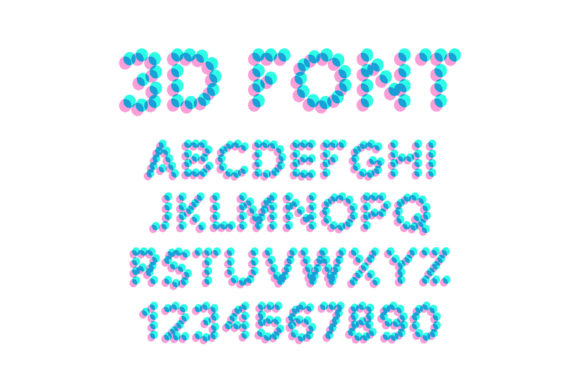
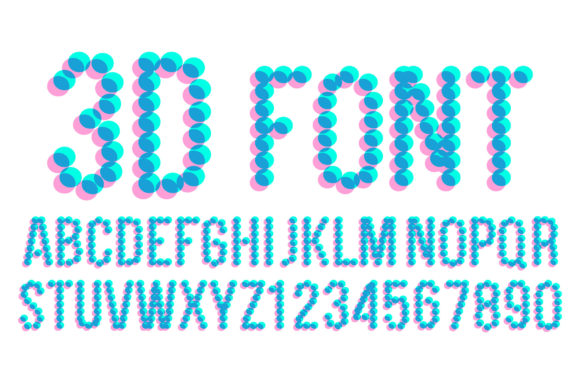
Imagine a font that doesn't just sit on the page but practically jumps off it, catching the light with a digital shimmer while grounding itself in the blocky nostalgia of early computing. That is the specific magic you get when working with a 3D Font Pixel Vector. It is a fascinating blend of retro aesthetics and modern depth, creating a visual style that feels both familiar and incredibly fresh. For designers, marketers, and business owners looking to inject some energy into their visuals, understanding how to utilize this specific style of typography can be a game-changer. It bridges the gap between the vintage video game era and the sleek, futuristic vibes of holographic design, making it a versatile tool for a wide range of creative projects.
The Unique Appeal of Holographic 3D and Distortion
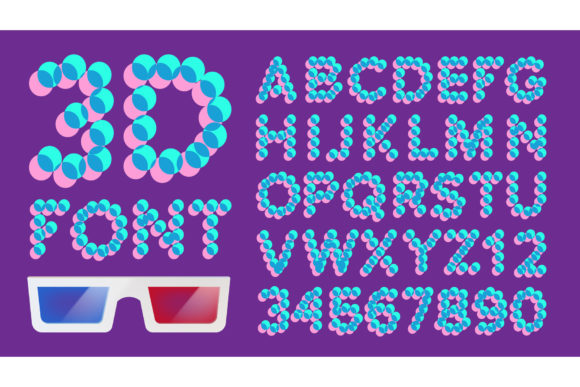
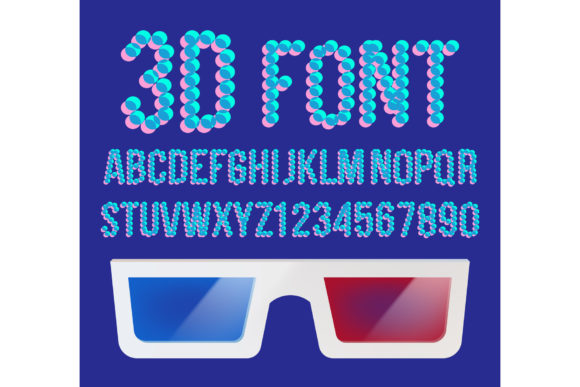
Typography is about more than just legibility; it is about personality. When we talk about a 3D Effect Pixel Stereo Font Vector, we are discussing a typeface that has a built-in visual narrative. The "pixel" aspect refers to the building blocks of the font—the small squares that make up the letters, reminiscent of 8-bit graphics. However, unlike those flat, jagged fonts of the past, the "3D" and "holographic" elements add volume and light. The letters appear to have weight, shadow, and a shifting, iridescent surface.
The "distortion" aspect is equally crucial. It breaks the perfection of the grid just enough to make the text look dynamic rather than static. It suggests movement, electricity, and a glitch-art aesthetic that resonates strongly with contemporary design trends. For a small business owner or content creator, this means you don't need to be a motion graphics expert to make your text look alive. The font does the heavy lifting, providing a complex, layered look in a static format like JPG or a scalable format like EPS.
Visual Consistency and Brand Recognition
One of the hardest parts of branding is creating a distinct visual language that people remember. Standard sans-serif or serif fonts are safe, but they can sometimes blend into the background noise of the internet. A premium font with this specific 3D pixel aesthetic offers a shortcut to high-impact branding. If your brand identity revolves around technology, gaming, music, streetwear, or a "future-retro" vibe, using this typography creates an immediate association.
Consider a logo design. A standard flat logo works, but a logo utilizing a 3D Font Pixel Vector with holographic shading instantly communicates that the brand is modern and visually aware. Because the font file is often provided in vector formats like EPS, you can scale it to fit a tiny favicon on a browser tab or a massive billboard without losing quality. This scalability ensures your brand looks professional across all mediums, from your website header to your packaging design.
Practical Applications for Modern Marketing
The versatility of this font style makes it a valuable asset in your design toolkit. It is not limited to one specific niche; rather, it can be adapted to various marketing assets to increase engagement. Here is how you can apply this style to real-world projects:
- Social Media Graphics: On platforms like Instagram or TikTok, you have milliseconds to grab attention. The 3D effect and bright, holographic colors act as a thumb-stopper. It works exceptionally well for headers on Instagram Stories or bold text overlays on Reels.
- Event Invitations and Flyers: Whether it is a gaming tournament, a music festival, or a tech launch party, this font sets the mood instantly. It promises high energy and entertainment.
- Merchandise and Apparel: The pixel art style translates beautifully to physical goods. T-shirts, hoodies, and tote bags featuring this typography appeal to a demographic that appreciates streetwear and digital culture.
- Digital Products: If you sell templates, presets, or digital planners, using a unique display font for your cover art can increase perceived value. It signals that your product is high-quality and curated.
Readability and Font Pairing Strategies
While a creative font like this is visually striking, it is important to use it strategically. Fonts with heavy 3D effects and distortion are typically classified as display fonts. This means they are designed to be seen at large sizes—think headlines, titles, and logos. They are not intended for body text. If you try to write a long paragraph in a complex pixel font, you will likely frustrate your readers because the intricate details can become muddy at smaller sizes.
The key to a professional presentation is font pairing. You need a supporting actor for your star. Pair your 3D pixel headers with a clean, legible sans serif font or a simple modern typography style for the body copy. For example, if you are designing a poster, use the holographic font for the main event title to grab attention, but use a geometric sans-serif for the date, time, and location details. This contrast creates visual hierarchy and ensures your message is communicated clearly while maintaining that cool, edgy aesthetic.
Technical Considerations for Designers
When working with vector-based typography, understanding your file formats is essential for a smooth workflow. A package that includes both JPG and EPS formats offers a great deal of flexibility.
The JPG format is excellent for quick mockups, social media posts, or situations where you want to use the pre-rendered 3D effect exactly as the designer intended. It is a raster image, so it is ready to go right out of the box. However, if you need to change the color of the font, scale it up significantly, or integrate it into a complex vector illustration in software like Adobe Illustrator, the EPS (Encapsulated PostScript) format is your best friend. It allows for infinite scalability and editing.
When choosing your font style, look closely at the "distortion" levels. Some versions might be subtle, while others are extreme. For editorial design or web design where clarity is paramount, a cleaner version of the pixel font might be better. For a music album cover or a poster, the more distorted, "glitchy" version adds to the artistic flair.
Matching Typography to Project Goals
Ultimately, the success of a design relies on how well the elements work together to tell a story. A 3D Font Pixel Vector tells a story of the digital age, nostalgia, and futuristic technology. It is a bold choice that commands attention. Before selecting this font for your next project, ask yourself if the personality of the typeface aligns with your brand voice.
If you are a crafting hobbyist making stickers for a planner, this font can add a fun, cyberpunk touch. If you are a marketing professional launching a new tech gadget, it validates the product's innovation. It is about using design assets to bridge the gap between what you are offering and how your audience feels about it. By balancing the boldness of the holographic 3D effect with solid readability practices, you can create visuals that not only look stunning but also effectively drive your message home.