3D Pixel Vector: Futuristic Typography That Pops
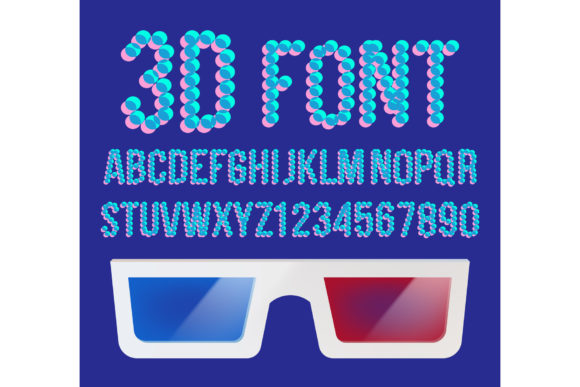
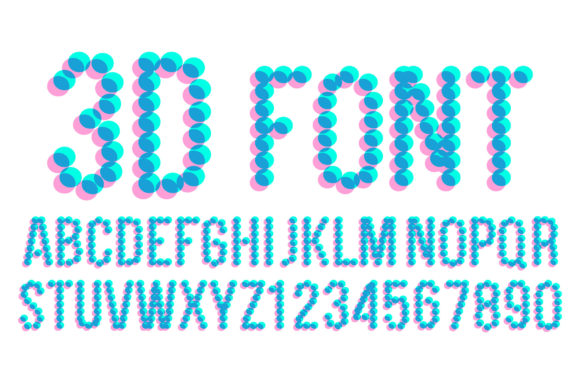
There's something magnetic about typography that refuses to sit flat on the page. When you encounter a typeface that genuinely pushes dimensionality—where letters seem to leap forward, cast shadows, and create real visual depth—you stop scrolling. That's exactly the kind of reaction 3D Pixel Vector. Futuristic and 3D Effect Pixel Stereo Vector is designed to trigger. This isn't your typical pixel font from the early gaming era. It's a modern reinterpretation that merges retro pixel construction with contemporary three-dimensional rendering, creating letterforms that feel both nostalgic and forward-thinking at the same time.
What Makes This Typeface Stand Out in a Crowded Market
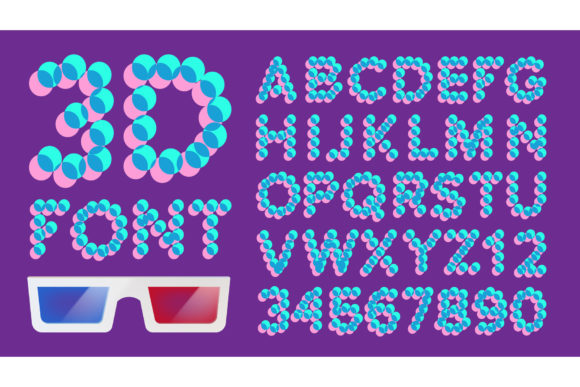
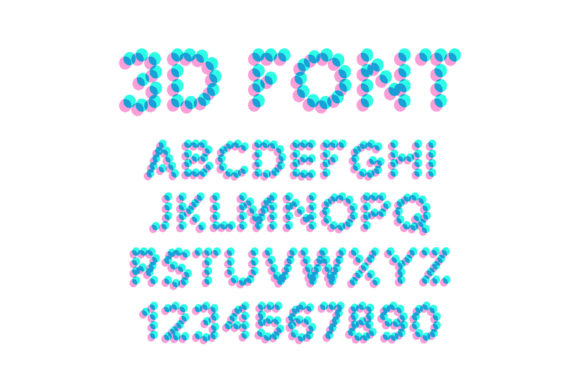
Pixel fonts have existed for decades, but most of them feel dated the moment you drop them into a project. The difference here lies in how the distortion numerals and letters are handled. Each character carries intentional dimensional shifts—subtle warps, stereo depth effects, and layered shading that give the impression of physical objects rather than flat glyphs. The result is a display font that commands attention without sacrificing legibility at larger scales.
What really sets this apart from other premium font options is the blend of two seemingly contradictory aesthetics: the blocky, grid-based structure of pixel art and the smooth, sophisticated rendering of modern 3D illustration. You get the charm of retro digital culture combined with the polish of contemporary design assets. For anyone working on projects that need to feel tech-forward, gaming-inspired, or boldly futuristic, this typeface fills a gap that few others attempt to address.
The included illustration files—available in both JPG and EPS formats—give you flexibility that goes beyond standard font packages. Need a quick hero image for a landing page? The JPG files are ready to drop in. Working on a large-format print project or need to customize individual elements? The vector EPS files let you scale without quality loss and modify details to match your exact specifications.
Where This Font Actually Works in Real Projects
Let's get practical. A typeface this visually distinctive isn't going to work everywhere, and that's actually a strength. Knowing when to deploy it is what separates thoughtful design from trend-chasing.
Brand identity and logo design are natural fits, especially for companies in gaming, esports, tech startups, music production, or digital entertainment. If your brand personality leans toward bold, innovative, or slightly rebellious, a 3D pixel treatment in your wordmark can communicate all of that before anyone reads a single word of your copy. Think about how brands like Twitch or Discord use distinctive typography to signal their audience—they're saying "we speak your language" through font choice alone.
Packaging design is another arena where this style shines. Limited-edition product runs, specialty tech accessories, energy drinks, snack brands targeting younger demographics—any physical product that needs to pop on a shelf or in an unboxing video benefits from typography that looks like it belongs in a digital landscape. The dimensional quality of these characters photographs exceptionally well, which matters enormously in an era where packaging often gets its first impression through Instagram or TikTok rather than a store aisle.
For social media graphics, the applications are nearly endless. Event announcements, sale promotions, podcast covers, YouTube thumbnails, playlist artwork, and story highlights all benefit from type that stops the scroll. The pixel stereo effect creates natural focal points that draw the eye exactly where you want it. Pair it with bold color palettes—electric blues, neon greens, hot pinks against dark backgrounds—and you've got graphics that feel native to the platforms where your audience already spends time.
Poster design and editorial layouts offer room to really let this typeface breathe. Magazine covers, festival lineups, conference materials, music album artwork, and event posters all benefit from display typography that carries visual weight. When your headline needs to do heavy lifting—communicating energy, excitement, or a specific cultural moment—a font with built-in dimensionality saves you from having to add effects in post-production.
Merchandise and invitations might seem like an unusual pairing, but think about themed events, gaming tournaments, tech conferences, or even creative birthday parties. Custom t-shirts, stickers, and printed invitations that use this kind of distinctive typography feel intentional and curated rather than generic.
Making It Work: Pairing, Readability, and Practical Considerations
Here's where experience matters more than instinct. A font this visually active needs careful handling to avoid overwhelming your layout.
Font pairing is everything. Because 3D Pixel Vector carries so much personality on its own, the supporting typeface in your design should be quiet and clean. A simple sans serif font for body copy—think something geometric and neutral—creates the breathing room your headline needs. Avoid pairing it with other display fonts, script fonts, or handwritten fonts that compete for attention. The rule of thumb: if your headline is loud, let your body text whisper.
Readability considerations matter more than you might think. This is a display typeface, which means it's engineered for impact at larger sizes. Use it for headlines, titles, logos, and short call-to-action phrases. Don't set paragraphs with it. Don't use it for fine print. Don't expect it to work at 12 pixels on a mobile screen. Understanding where a creative font belongs in your hierarchy—and respecting those boundaries—is what makes the difference between amateur layouts and professional presentation.
Test your color combinations carefully. The 3D effects and distortion elements in these letterforms rely on contrast to read properly. Light text on dark backgrounds tends to amplify the dimensional quality, while dark text on very light backgrounds can sometimes flatten the effect. Spend a few minutes testing different background colors before committing to a final design. The EPS files make this experimentation easy since you can modify colors directly in Illustrator or similar vector software.
Review the full character set before starting. Check which numerals, punctuation marks, and special characters are included. Planning a design that relies heavily on numbers—like a countdown graphic or pricing display? Make sure the distorted numeral styling works for your specific use case before building your entire layout around it.
Licensing and File Formats: What You Need to Know
Before incorporating any commercial font into client work or products you plan to sell, verify the licensing terms. Most premium font packages distinguish between personal and commercial use, and the specifics matter. Can you use it in a logo that a client will trademark? Can you embed it in digital products for sale? Can you use it on merchandise that generates revenue? These aren't nitpicky questions—they're the kind of practical considerations that protect both you and your clients down the road.
The dual-format delivery of JPG and EPS files adds genuine value. JPG files work perfectly for quick mockups, social media posts, and digital presentations where you need the visual impact without vector editing. EPS files are essential for print production, large-format applications, and any situation where you need to customize colors, scale elements, or integrate the typography into a larger vector composition. Having both available means you're covered whether your project lives on screen or on paper.
Finding the Right Moment for Bold Typography
Not every project calls for a typeface that demands attention. A law firm's website, a medical practice's brochure, a financial advisor's business card—these need restraint and trustworthiness. But when your project lives in spaces where energy, innovation, and visual excitement are the goals, settling for a safe font choice actually works against you.
The most effective brand identities and marketing materials use typography strategically, matching the visual tone of their letterforms to the emotional response they want to create. If your audience responds to bold digital aesthetics, gaming culture, tech innovation, or retro-futuristic vibes, then a typeface built around 3D pixel construction isn't just a stylistic choice—it's a communication decision that speaks directly to the people you're trying to reach.
Experiment with it. Drop it into a mockup. See how it changes the energy of a layout. Sometimes the right design asset doesn't just complete a project—it redefines what you thought the project could be.