Abstract Landing Page Background: Fluid Gradients for Impact
There's a moment in every design project where the background stops being just empty space and starts telling a story. That shift happens when you move beyond a solid color or a simple stock photo and choose something dynamic—something that breathes life into your layout. An abstract landing page background with fluid gradient shapes does exactly that. It creates depth, guides the eye, and sets a mood that static elements simply can't match. Whether you're building a website, crafting social media posts, or designing marketing materials, the right background transforms your work from ordinary to unforgettable.
Why Fluid Gradient Shapes Captivate Modern Audiences
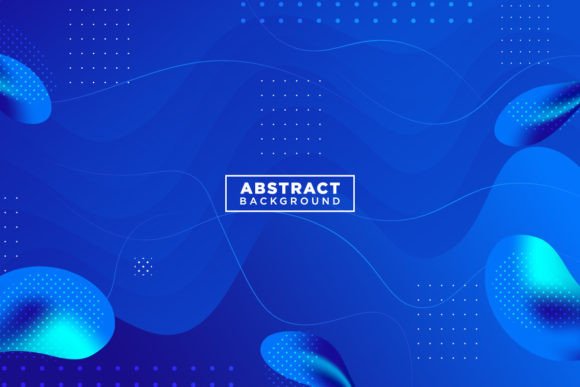
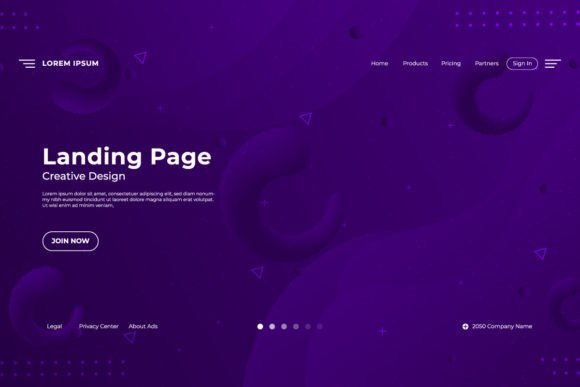
Gradient backgrounds have evolved far beyond the flat, two-tone fades of early web design. Today, fluid gradient shapes blend multiple colors in organic, flowing compositions that feel alive and futuristic. These designs mimic natural phenomena—think swirling nebulae, rippling water, or the way light bends through glass. The result is a visual texture that feels both sophisticated and approachable. For designers and brand builders, this matters because audiences are increasingly drawn to visuals that feel immersive rather than flat. A well-executed abstract landing page background with gradient fluid shapes doesn't just fill space; it creates an atmosphere that holds attention and communicates innovation without saying a word.
What makes these backgrounds particularly powerful is their versatility. The soft transitions between colors work beautifully across industries—from tech startups wanting to signal cutting-edge thinking to wellness brands seeking a sense of calm fluidity. The shapes themselves can be subtle enough to support text-heavy layouts or bold enough to stand alone as a hero element. When you're working with a premium vector file in EPS10 format, you get the flexibility to adjust every curve, shift every hue, and resize without losing quality. That level of control is invaluable when you're tailoring a design to fit specific brand guidelines or client preferences.
Practical Applications Across Creative Projects
Think about the last time you landed on a website and immediately felt drawn in. Chances are, the background played a bigger role than you realized. An abstract landing page background serves as the visual foundation for countless projects. Web designers use these fluid gradient compositions as hero sections on landing pages, creating instant visual interest that encourages visitors to scroll further. Content creators layer them behind text overlays for Instagram stories, YouTube thumbnails, or podcast cover art, adding a professional polish that stands out in crowded feeds. Marketers incorporate them into email headers and digital ads where first impressions happen in milliseconds.
Beyond digital spaces, these backgrounds translate seamlessly into print. Imagine a conference poster with a flowing gradient backdrop that draws attendees from across the room. Consider packaging design where abstract shapes add a premium, contemporary feel to product labels. Event planners use them for invitations and event signage. Editorial designers place them behind magazine layouts to create striking visual narratives. The included Illustrator EPS files and high-resolution images at 1200×800 pixels give you enough detail for both screen and print applications, so you're not limited to one medium.
Building Brand Identity with Visual Consistency
One of the biggest challenges in branding is maintaining a cohesive look across every touchpoint. Your website, social media profiles, business cards, and marketing materials all need to feel like they belong to the same family. An abstract landing page background with fluid gradient shapes offers a unifying visual thread. By adjusting the color palette within the fully editable vector files, you can create variations of the same background for different contexts—darker tones for formal presentations, brighter shifts for social media, muted versions for printed materials. This kind of visual consistency builds brand recognition over time. Your audience starts to associate those flowing shapes and color transitions with your identity before they even read your name.
RGB color mode ensures your backgrounds look vibrant and accurate on screens, which is essential for any brand prioritizing its digital presence. The free font included in the package adds another layer of cohesion, allowing you to match your typography to the mood of the background without hunting for compatible typefaces. When your visual elements work together harmoniously, your entire brand feels more intentional and trustworthy.
Design Flexibility for Real-World Workflows
Every designer knows the frustration of downloading an asset only to discover it's locked down—colors that won't change, text that won't edit, shapes that resist customization. The fully editable nature of these files solves that problem entirely. You can pull individual fluid shapes from the composition and use them as standalone elements. You can recolor sections to match a client's brand palette. You can rearrange the composition to fit a vertical banner or a square social media post. This kind of modularity turns a single download into a design system you'll return to project after project.
For small business owners and entrepreneurs who wear the designer hat themselves, this flexibility is especially valuable. You don't need advanced technical skills to make meaningful edits in Illustrator. The clean, professional file organization means you can find what you need quickly, make your adjustments, and move on to the next task. Whether you're creating a last-minute flyer for a local event or building out a full brand identity, having reliable, editable design assets saves hours of work and eliminates the guesswork.
Making the Most of Your Design Assets
Before you start applying an abstract landing page background to your next project, take a moment to consider the emotional tone you want to set. Cooler gradient palettes—blues, purples, teals—tend to evoke trust, calm, and professionalism, making them ideal for tech companies, financial services, or healthcare brands. Warmer tones—corals, golds, magentas—create energy and excitement, perfect for lifestyle brands, entertainment, or creative agencies. The beauty of working with editable gradient compositions is that you can experiment freely. Try shifting the hue of one shape and see how it changes the entire mood of the piece.
Pairing your background with the right typography is equally important. A clean sans serif font works well when the background is busy, keeping text legible and uncluttered. If the gradient shapes are more subtle, a display font or script typeface can add personality without overwhelming the composition. Always test your text against the background at the actual size it will appear—what looks balanced on a large monitor might become unreadable on a mobile screen. Pay attention to contrast ratios, especially for accessibility. Your audience includes people with varying visual abilities, and a professional presentation means everyone can engage with your content comfortably.
Finally, think beyond the obvious. An abstract landing page background isn't limited to landing pages. Use it as a desktop wallpaper to keep your workspace inspiring. Print it as a large-format backdrop for product photography. Layer it into video backgrounds for webinars or virtual events. The more you experiment with these fluid gradient shapes, the more possibilities you'll discover. Great design assets aren't just tools—they're springboards for ideas you haven't had yet.