Abstract White Gradient Paper Background: A Designer's Guide
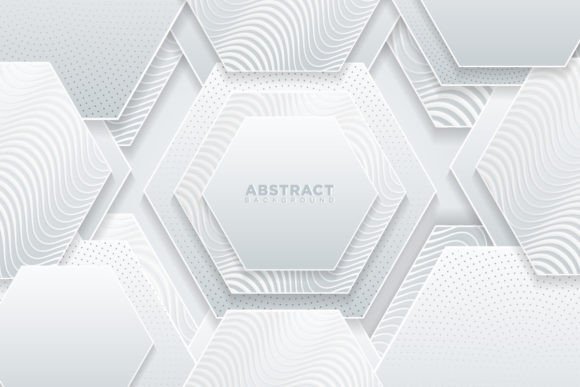
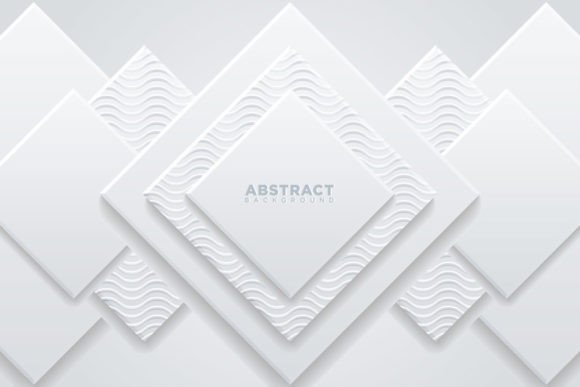
There’s a certain magic in the simplicity of paper. It’s a blank canvas, a starting point, a foundation upon which entire worlds can be built. Now, imagine that canvas not as a flat, static sheet, but as a living, breathing landscape of light and shadow. This is the essence of the Abstract White Gradient Paper Background—a design asset that transforms the humble concept of paper into a dynamic, textured, and profoundly versatile tool for any creative project. It’s more than just a backdrop; it’s a statement of sophistication and depth, achieved through the elegant interplay of layered paper cut elements, subtle hexagonal textures, and graceful wavy patterns.
Why This Layered Paper Decoration Captivates the Eye
At its core, this vector background is a masterclass in creating visual interest without clutter. The abstract white gradient paper cut background uses a monochromatic palette to its full advantage. The gradient isn't a simple top-to-bottom fade; it's a nuanced play of light across a three-dimensional surface. Think of light hitting a stack of beautifully textured stationery—the highlights on the edges, the soft shadows in the creases, the way the paper seems to lift off the page. The hexagonal pattern adds a contemporary, almost geometric rhythm, while the wavy patterns introduce an organic, fluid motion. This combination creates a perfect equilibrium: modern yet timeless, structured yet flowing, simple yet rich with detail. It’s this sophisticated balance that makes it a premium vector asset, capable of elevating a design from good to unforgettable.
From Screen to Print: A Universe of Applications
The true power of a well-crafted background lies in its adaptability. This isn't a one-trick pony confined to a single use case. Its clean, professional aesthetic and fully editable nature make it a chameleon for your creative needs. As a designer or business owner, you can leverage this asset across your entire visual ecosystem.
- Branding & Logo Design: Use it as a subtle backdrop for your logo on business cards or letterheads. The texture adds a tactile quality to digital branding, suggesting quality and care. It provides a non-distracting yet interesting stage for your brand's primary identity.
- Web & Digital Presence: Website hero sections, blog post headers, and landing page backgrounds become instantly more engaging. The 1200×800 pixel size is optimized for digital use, ensuring fast load times without sacrificing clarity. It’s perfect for creating a consistent visual language across your site.
- Social Media & Marketing: In the fast-scrolling world of social media, stopping power is everything. This background makes Instagram quotes, Facebook ads, and Pinterest graphics stand out. Its clean look ensures your message or product remains the hero, while the texture prevents it from feeling generic.
- Print & Editorial: For magazines, brochures, flyers, and posters, this background adds a layer of professionalism. It works beautifully for editorial layouts, allowing text and images to pop, or as the main backdrop for a minimalist event invitation or wedding stationery suite.
- Packaging & Merchandise: Imagine this pattern as the sleeve for a coffee bag, the wrap for a luxury candle, or the design on a tote bag. The layered paper decoration style communicates artisan quality and thoughtful design, enhancing the perceived value of your product.
Practical Workflow: Making the Asset Your Own
Receiving a set of fully editable files like an Illustrator EPS is like being handed the keys to a design studio. The included files—vector EPS and high-resolution images—mean you’re not stuck with a static image. You have complete control. Need to match your brand’s specific shade of off-white? Edit the colors. Want to adjust the intensity of the gradient or the scale of the hexagonal texture? Every element is a separate, manipulable object. This level of control is crucial for maintaining visual consistency across all your materials. You can scale the vector to billboard size without losing a pixel of quality, or tweak the RGB color mode files perfectly for screen-based projects. This flexibility saves countless hours and ensures your final output looks precisely as you envisioned.
Pairing and Presentation: The Final Polish
A stunning background can be undermined by poor typography. The key is to let the background support, not compete with, your message. Given the modern, clean, and slightly organic feel of this design, font pairing is critical.
- For a Clean, Modern Look: Pair it with a strong sans serif font. A geometric sans-serif will complement the hexagonal textures, while a humanist sans-serif can soften the overall feel. This pairing is ideal for tech startups, design agencies, and contemporary brands.
- For a Touch of Elegance: Use a refined serif font or a subtle script font. The contrast between the structured, textured background and the fluid letterforms of a script can create a beautiful, high-end aesthetic perfect for wedding invitations, boutique branding, or luxury goods.
- Readability is Non-Negotiable: Always test your text against the background. Ensure there is enough contrast in color and value. If the gradient creates areas of very light shadow, place your most important text in a clearer, lighter section. Adding a subtle drop shadow or a very light, semi-transparent shape behind text blocks can also improve legibility without compromising the design.
Remember, the goal is professional presentation. This abstract white gradient paper background provides the sophisticated stage. Your typography, color choices, and layout are the performance. By thoughtfully integrating this asset, you’re not just decorating a space; you’re crafting an experience. You’re building a cohesive visual narrative that enhances brand recognition