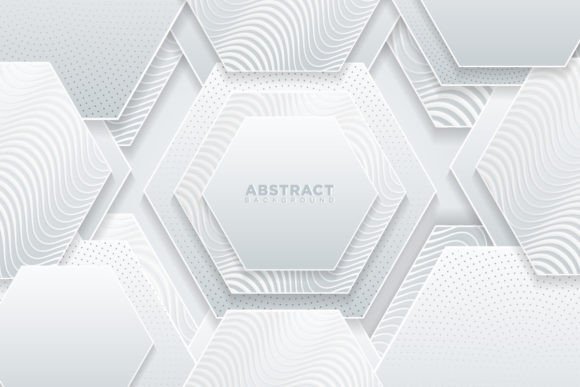
Elevate Your Visuals with Abstract White Gradient Paper Cut
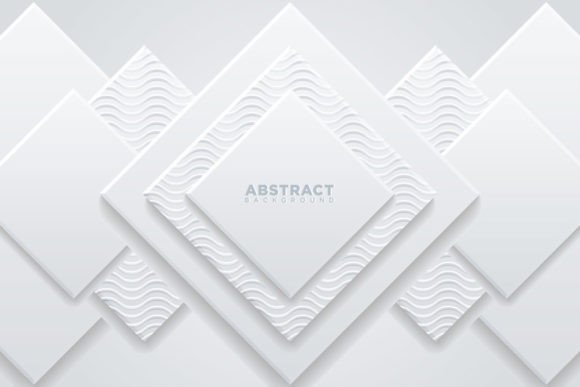
There is a distinct kind of sophistication that comes from simplicity. In a digital landscape often cluttered with noise, the White Gradient Paper Cut Background offers a breath of fresh air. It is not just a static image; it is a carefully crafted 3D vector environment that mimics the delicate art of paper folding and layering. The interplay between soft white gradients and intricate hexagonal textures creates a visual depth that feels both modern and organic. For designers, marketers, and business owners, this asset provides a versatile foundation that communicates elegance without overwhelming the viewer. It serves as a canvas that highlights your foreground content while maintaining a strong, professional aesthetic.
The Anatomy of a Premium Design Asset
Understanding the technical and artistic composition of a background is crucial for effective implementation. This particular design stands out due to its unique combination of elements. The "paper cut" aesthetic suggests precision and craftsmanship, evoking feelings of care and attention to detail. Meanwhile, the abstract white gradient ensures that the background remains neutral enough to support various color schemes and typography styles. The inclusion of wavy patterns within the hexagonal texture adds a subtle movement, preventing the design from feeling too rigid or clinical.
When you download a resource like this, you are not just getting a flat JPEG. You are accessing a premium vector file, typically provided in formats like Illustrator EPS. This is a game-changer for professional work. Because it is a vector, you can scale this background to fit a massive trade show banner or shrink it down for a business card without losing a single pixel of quality. The sharpness of the lines and the smoothness of the gradients remain intact regardless of size. Furthermore, the "fully editable" nature of the files means you have complete control. You can adjust the opacity of the waves, change the color mode from RGB to CMYK for print, or reposition the layered elements to better frame your logo.
Practical Applications Across Industries
The versatility of a 3D vector background like this allows it to cross boundaries between different industries and project types. Its clean, professional look makes it suitable for both corporate environments and creative startups. Here is how different professionals can leverage this asset:
- Branding and Identity: Use this background in your brand guidelines or on the cover of your pitch deck. The layered paper decoration suggests structure and organization, qualities that any brand wants to project. It provides a consistent visual thread that can tie together different marketing materials.
- Digital Marketing and Social Media: On platforms like Instagram or LinkedIn, visual real estate is competitive. A textured background adds depth to quote graphics, promotional announcements, and profile banners. The abstract nature ensures it won't clash with product photography or text overlays.
- Web and Editorial Design: For web designers, this background works beautifully as a hero section image or a subtle texture behind a pricing table. In editorial layouts, such as magazine covers or e-book designs, the wavy patterns add a touch of artistic flair that draws the reader's eye.
- Packaging and Merchandise: If you are designing packaging for a luxury product—perhaps stationery, cosmetics, or tech accessories—a paper cut texture implies high quality. It translates well onto physical materials, giving products a tactile feel even in digital mockups.
Enhancing Communication and Brand Recognition
Visual consistency is the backbone of brand recognition. When you use a cohesive set of design assets, your audience begins to recognize your "look" instantly. Incorporating the White Gradient Paper Cut Background into your suite of materials helps establish a modern, clean aesthetic. This specific style acts as a neutral yet engaging stage. Because the background is white and gradient-based, it naturally directs attention to your content. Whether you are displaying a bold headline, a product image, or a call-to-action button, the soft shadows and textures of the background create a frame that enhances readability. It prevents your designs from looking flat or amateurish, instantly boosting your professional presentation.
Consider the psychological impact as well. White often represents clarity, purity, and new beginnings. Combined with geometric hexagonal patterns, it suggests innovation and connectivity. This makes the background particularly effective for tech startups, educational platforms, or wellness brands that want to appear forward-thinking yet approachable.
Integration and Workflow Tips
Getting the most out of this asset requires a bit of strategic thinking. Since the files are provided in RGB color mode, they are optimized for screens. If you are designing for social media, websites, or video thumbnails, you can use them immediately with vibrant results. However, if your project involves print—such as flyers, invitations, or posters—remember to convert the color mode to CMYK in your design software to ensure color accuracy.
Typography pairing is another critical consideration. Because the background features intricate hexagonal textures and wavy patterns, you want your text to stand out clearly. Avoid overly decorative or script fonts for body copy, as they might get lost in the texture. Instead, opt for a clean sans-serif font for readability. For headings, a strong serif font or a bold display typeface can create a beautiful contrast against the soft, organic curves of the paper cut design. Always test your font pairings on top of the background before finalizing a design to ensure legibility.
Finally, don't be afraid to manipulate the vector elements. Because the file is fully editable, you can remove specific layers if the design feels too busy for a particular application. You might use the full, complex version for a large poster where details are visible, but simplify it by removing some wavy layers for a small mobile app icon. This flexibility allows a single asset to serve multiple purposes across your entire brand ecosystem, saving you time and maintaining that crucial visual consistency.