Creating Depth with Abstract Modern Dark Backgrounds
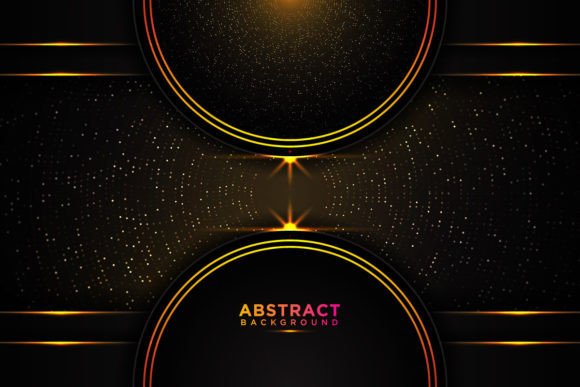
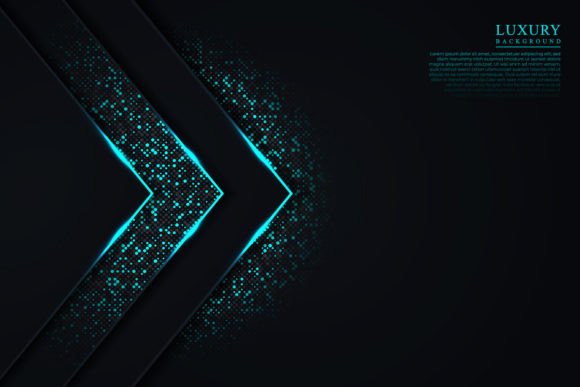
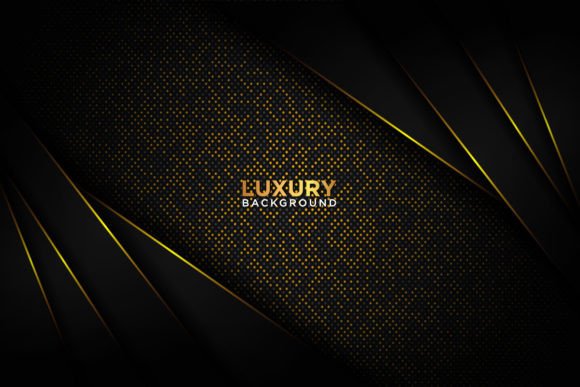
There’s something immediately compelling about a dark background that isn’t just black. It has texture. It has movement. It has a story. When you pair that depth with clean geometric shapes and flowing wavy patterns, you get a visual foundation that feels both sophisticated and energetic. This is the power of a well-executed abstract modern dark background. It doesn’t just sit behind your content; it elevates it, creating a mood and a sense of premium quality that can transform a simple design into something memorable.
Think about the last time a website, a social media ad, or a product package really caught your eye. Chances are, the background played a crucial role. A flat, generic background often fades away, but a thoughtfully crafted one with subtle movement and contrast guides the viewer’s eye exactly where you want it. It establishes a professional tone before a single word is read. For designers, entrepreneurs, and creators, having a versatile, high-quality background asset isn’t a luxury—it’s a strategic tool for effective visual communication.
The Anatomy of an Effective Visual Foundation
What makes an abstract modern dark background work so well? It’s the balance of elements. The dark base provides a dramatic, unifying canvas that makes other colors pop. The geometric shapes—perhaps hexagons, circles, or sharp lines—add structure and a sense of order. They imply precision and modernity. Then, the wavy patterns introduce organic flow and softness, preventing the design from feeling too rigid or cold. This combination creates a dynamic tension that feels contemporary and engaging.
Consider its practical applications. A premium vector background like this is incredibly versatile. For branding, it can form the core of a visual identity, used consistently across a logo, business cards, and website to build immediate recognition. On social media, it turns a standard post or story into a standout piece of content, especially when overlaid with crisp typography. For product packaging, especially for tech, luxury goods, or beverages, a dark, textured background communicates quality and sophistication. It’s also perfect for event invitations, poster designs, and editorial layouts where you want to create a bold, immersive atmosphere.
From Asset to Advantage: Practical Implementation
Having a beautiful design asset is one thing; using it effectively is another. The key is to treat the abstract background as a foundational layer, not the star of the show. Its job is to support and enhance your core message, not compete with it. This means your foreground text and graphics need to have strong contrast. White or light-colored typography often works best, but you can also use vibrant accent colors drawn from the background’s palette for a cohesive look.
Font pairing becomes critical here. A modern sans serif font will complement the clean, geometric aspects of the background, maintaining a sleek, tech-forward feel. If your brand has a more elegant or editorial voice, a refined serif font can create a beautiful contrast against the abstract shapes. The goal is to create a visual hierarchy where the background sets the tone, and your typography delivers the message with clarity. Always test your pairings on the actual background to ensure readability at various sizes, from a tiny mobile screen to a large printed poster.
Let’s talk about the files themselves. When you invest in a design asset, you need it to work for you, not against you. The ideal package includes fully editable vector files, like Illustrator EPS. This means every single element—the color of a shape, the curve of a wave, the position of a pattern—is under your control. You can tweak the color palette to match your brand’s exact hex codes, scale the background to any size without losing quality (essential for large-format printing), and even remove or rearrange elements for a simpler composition. This level of editability turns one asset into dozens of unique variations.
Beyond the Screen: Tangible Brand Building
The true value of a cohesive visual toolkit is its ability to build a recognizable brand. When your audience sees the same distinctive color palette and abstract pattern language on your Instagram feed, your website header, and your product labels, a subconscious connection forms. They start to recognize you before they even read your name. This abstract modern dark background, with its unique blend of order and flow, can become that recognizable signature.
Imagine using it for a series of podcast covers, creating a unified look that signals professionalism to potential listeners. Or consider a small business owner using it for their thank-you cards and packaging inserts, adding a layer of perceived value to every order. For a content creator, it can become the backdrop for a YouTube channel banner or a thumbnail template, ensuring every piece of content feels part of a larger, polished brand. The applications extend to merchandise too—a t-shirt design or tote bag featuring a cropped, stylized section of the background can be a stylish piece of branded merchandise.
Ultimately, the right visual background does more than fill space. It communicates mood, establishes credibility, and creates a consistent world for your brand to live in. It’s a silent ambassador that works across every touchpoint. By choosing a versatile, high-quality asset and applying it thoughtfully, you’re not just decorating a design; you’re building a stronger, more cohesive, and more engaging brand presence. The result is a professional presentation that captures attention and holds it, turning casual viewers into engaged customers.