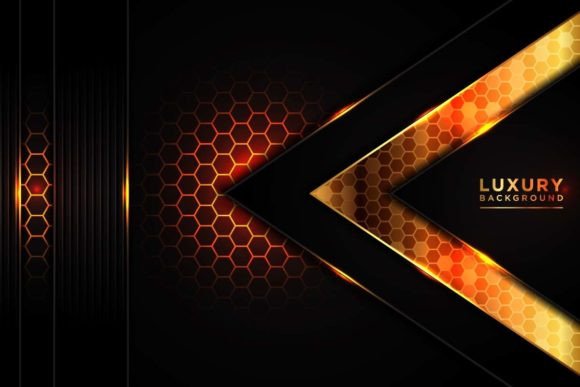
Creating Depth with Luxury and Modern Dark Background Design
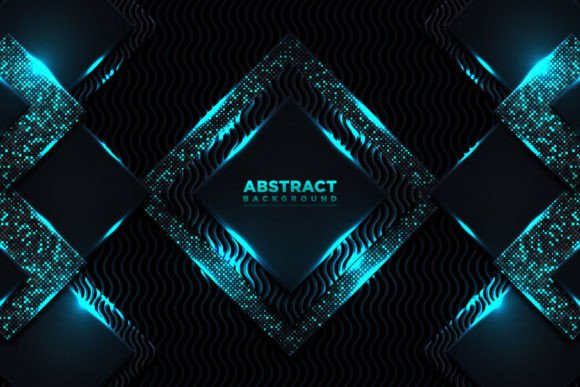
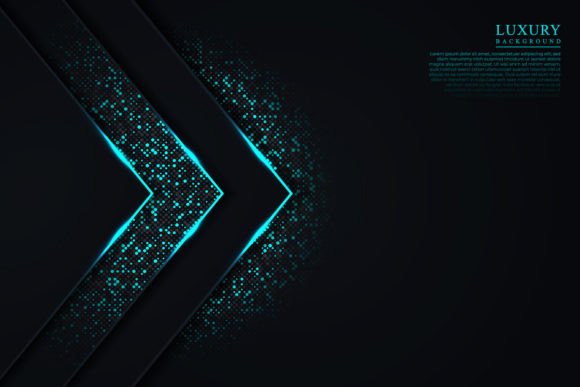
There's a moment in every design project when the background stops being just empty space and becomes the foundation of the entire composition. A Luxury and Modern Dark Background does exactly that—it commands attention while giving your foreground elements room to breathe. Think about the last time you saw a product launch on Instagram or opened a high-end magazine spread. That rich, dark canvas with subtle light effects wasn't accidental. It was a deliberate choice to communicate sophistication, exclusivity, and modern taste. This particular abstract dark blue luxury background, with its beautiful glitter light and futuristic glitter dots, captures that energy perfectly. It's the kind of design asset that transforms ordinary layouts into something people actually stop scrolling to admire.
Why Dark Backgrounds Work So Well in Modern Design
Dark backgrounds have earned their place in contemporary visual communication for reasons that go beyond aesthetics. When you place white or metallic text against a deep navy or charcoal surface, readability increases dramatically in certain contexts. The contrast pulls the eye toward your message. For brands competing in crowded digital spaces—think Instagram feeds, website hero sections, or email headers—that kind of visual hierarchy matters more than most people realize.
The abstract dark blue luxury background featured here works because it balances depth with movement. Those futuristic glitter dots scattered across the surface create a sense of dimension without overwhelming your content. It feels premium without trying too hard. You've probably noticed this style in tech startup branding, luxury skincare packaging, event invitations, and premium digital product launches. The reason is simple: dark backgrounds with subtle light effects signal quality and intentionality.
At 1200×800 pixels in RGB color mode, this particular background hits a practical sweet spot. It's large enough for web banners, social media covers, and presentation slides without requiring extensive resizing. The RGB color mode means colors stay vibrant on screen, which matters when those glitter elements need to pop against the dark blue base.
Real Applications Across Different Projects
Let's talk about where this background actually earns its keep. If you're building a brand identity, a dark luxury background becomes a recurring visual motif. Use it across your website's hero section, your Instagram story templates, your email newsletter headers, and suddenly your brand has a cohesive visual language that people recognize instantly. That consistency is what separates amateur design from professional brand presentation.
For small business owners creating their own marketing materials, this kind of asset saves enormous amounts of time and money. Instead of hiring a designer every time you need a social media graphic or a promotional flyer, you have a polished, professional canvas ready to go. The fully editable files included—Illustrator EPS files plus images—mean you can adjust colors, reposition elements, and customize the layout to match your specific brand palette. Every object, color, and text element can be modified, which gives you creative control without requiring advanced design skills.
Content creators and bloggers find particular value in backgrounds like this for thumbnail designs, podcast artwork, and course launch graphics. The dark blue tone photographs well and compresses cleanly for web use, which means your images load quickly without losing visual impact. When you're competing for attention on platforms like YouTube or Pinterest, that combination of visual quality and technical performance makes a genuine difference in click-through rates.
Consider packaging design for premium products. A dark background with subtle glitter effects communicates luxury instantly—think high-end candles, specialty beverages, boutique cosmetics, or artisanal food products. The futuristic dots add a contemporary edge that prevents the design from feeling stuffy or traditional. You're telling customers this product is both refined and forward-thinking.
Making Typography Work Against Dark Surfaces
Pairing fonts with dark backgrounds requires some thought, but the principles are straightforward. Sans serif fonts in lighter weights tend to feel clean and modern against dark surfaces. Serif fonts with generous letter spacing create an elegant, editorial quality. Script fonts work beautifully for accent text—think product names, taglines, or event details—but should be used sparingly to maintain readability.
The free font included with this package removes one decision from your workflow, which is always welcome when you're juggling multiple design elements. That said, understanding font pairing principles will serve you across every project, not just ones using this particular background. Try placing a bold display font for your headline against a lighter weight version of the same family for body text. The visual connection between the two creates harmony while the weight difference establishes hierarchy.
Readability deserves special attention when working with dark backgrounds. White text on dark blue reads differently than white text on pure black. The subtle color variation in this background's design actually helps reduce the harsh contrast that can cause eye strain during extended viewing. For digital products like e-books, presentations, or online course materials, that comfort factor keeps people engaged with your content longer.
Building a Visual System Around Your Background Choice
Smart designers think about backgrounds as part of a larger visual system rather than isolated decoration. When you select a Luxury and Modern Dark Background, you're making a decision that influences every other element in your design. Color accents need to pop against that dark surface. Text needs sufficient contrast. Photography needs to either complement the dark tone or provide deliberate contrast through lighter subject matter.
For marketing professionals creating campaign assets, this background works across multiple touchpoints. The same visual treatment can anchor a Facebook ad, a landing page banner, a printed brochure, and an event invitation. That visual thread running through your marketing materials reinforces brand recognition at every customer touchpoint. People begin associating that specific aesthetic with your brand before they even read your name.
Merchandise designers benefit from the versatility here as well. A dark, sophisticated background translates well to business cards, tote bags, stickers, and apparel prints. The glitter dot detail adds visual interest that reproduces well in both digital and print contexts, though you'll want to request a proof before committing to large print runs to ensure those subtle light effects translate accurately to physical media.
Practical Tips for Getting the Most From Editable Design Assets
Having fully editable files changes how you approach design work. Instead of accepting a background as-is, you can shift the color temperature warmer or cooler depending on your brand palette. You can scale elements, remove the glitter dots for a cleaner version, or adjust the density of the light effects for different applications. A website header might benefit from a subtler version while a poster could handle more dramatic effects.
Start by exploring the file structure. Open the Illustrator EPS files and examine how layers are organized. Professional files typically separate background elements, light effects, and text layers, making individual adjustments straightforward. If you're working in Photoshop or Canva, the included images give you ready-to-use alternatives that require minimal modification.
Test your designs across different screens and in different lighting conditions before finalizing. A background that looks stunning on a calibrated monitor might lose detail on a phone screen at low brightness. Since most of your audience will encounter your designs on mobile devices, this testing step prevents disappointing results after you've already published or printed your materials.
Consider creating a few template variations upfront—one for square social media posts, one for horizontal banners, one for vertical stories or pins. Having these ready means you can respond quickly to marketing opportunities without starting from scratch each time. The 1200×800 pixel starting size adapts easily to these different formats with minimal cropping or adjustment.
Whatever your project—a brand refresh, a product launch, a new blog design, or a special event—starting with a strong background gives your entire design a confident foundation. The dark blue luxury aesthetic with its modern light effects offers that rare combination of visual impact and practical flexibility that makes it useful far beyond a single project.