Dynamic Circle Gradient Flat Backgrounds for Modern Design
You know the feeling. You’re deep into a design project—maybe it’s a new brand identity for a startup, a series of social media posts, or a presentation for a client—and you hit a wall. The layout is solid, the typography is clean, but the background feels flat, uninspired, and frankly, a little boring. You need something that adds depth and energy without overwhelming the content. This is where the power of a well-crafted abstract background comes into play, specifically one built on dynamic shapes and subtle texture. Think of a circle gradient flat background not as mere decoration, but as a foundational layer that sets the entire tone for your visual communication.
The Anatomy of a Compelling Abstract Background
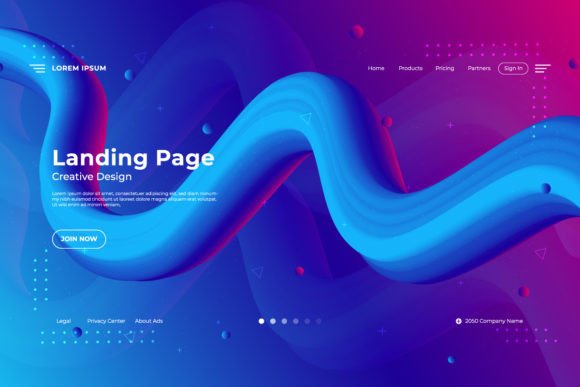
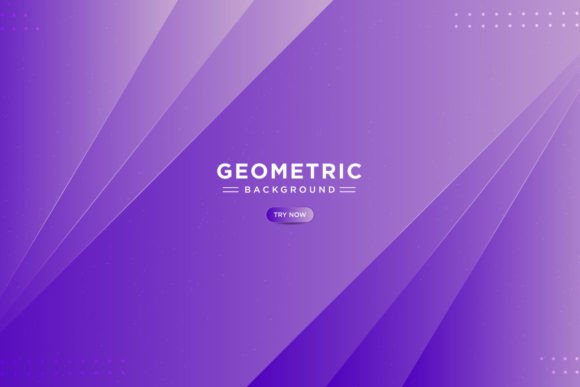
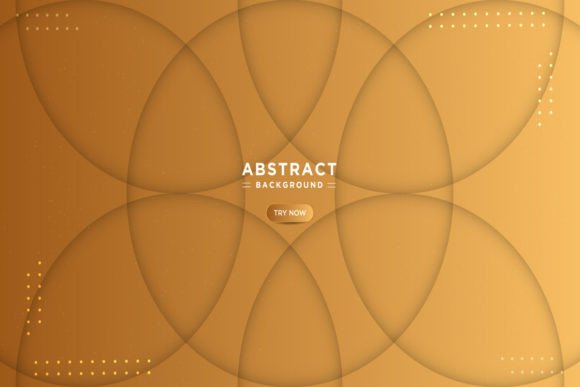
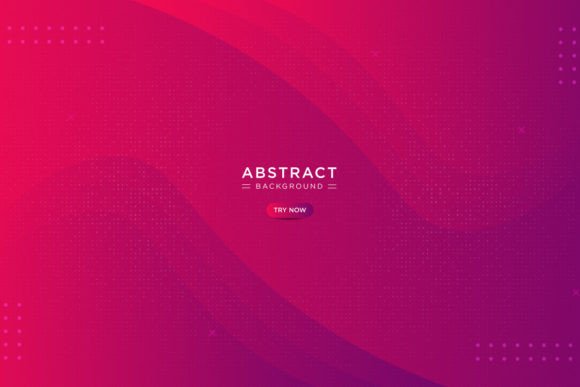
What makes a background like the "Abstract 3d circle gradient flat background with line scratches effect" so versatile? It’s a careful blend of several key visual elements. First, the gradient. A smooth transition between colors, often in the RGB color space, creates a sense of movement and dimension. It can evoke a specific mood—cool blues and purples for a tech-forward feel, warm oranges and pinks for something more energetic and youthful. This isn't a static, single-color field; it's a living space that guides the viewer's eye.
Then, you have the core shapes: circles. Circles are universally associated with community, unity, and wholeness. In a dynamic composition, they interact, overlap, and create negative space, adding visual interest and complexity. The "flat" aspect ensures the design feels modern and clean, avoiding overly glossy or dated 3D effects. The secret sauce, however, is often the texture. A subtle line scratches effect introduces a tactile, almost industrial quality. It breaks the perfection of the digital gradient, adding a layer of authenticity and grit that makes the design feel more crafted and less sterile. This combination is what allows such a background to support everything from a minimalist logo to a vibrant marketing banner.
From Screen to Print: Real-World Applications
The true test of any design asset is its practical utility. A premium vector file of a dynamic shapes composition is a workhorse for a multitude of projects. For a brand identity system, this background can serve as the hero element on a website homepage or the consistent visual across all social media profile banners, creating immediate brand recognition. Imagine a tech startup using a cool-toned version for their app interface and investor pitch deck—it instantly communicates innovation and forward-thinking.
For content creators and marketers, the applications are endless. It’s perfect for creating eye-catching YouTube thumbnails, podcast cover art, or Instagram story backgrounds that make text pop. Small business owners can use it for product packaging design, where the abstract shapes add a premium, artistic feel without competing with the product label. Print materials like posters, flyers, and event invitations gain a sophisticated edge. Even for personal projects, such as designing a custom phone wallpaper, a desktop background, or a unique invitation for a gathering, this asset provides a professional starting point that’s easy to customize.
Maximizing Your Asset: Practical Design Tips
Having a great background is one thing; using it effectively is another. The key is to treat it as a supporting actor, not the star of the show. Its role is to enhance, not dominate. Start by considering color harmony. Since the file is fully editable, you can adjust the gradient colors to perfectly match your existing brand palette or the specific color scheme of your project. This ensures visual consistency across all your materials, which is crucial for building a cohesive brand identity.
Next, think about typography. Pairing the right font with this dynamic background is critical. A bold, clean sans-serif font often works beautifully, providing a sharp, readable contrast against the organic shapes and texture. If you’re going for a more elegant or editorial look, a classic serif font can create a striking juxtaposition. The key is readability. Always test your text overlays at different sizes to ensure legibility, especially if the background has high-contrast areas. Use the included vector files to experiment with the composition—maybe move a circle, scale a shape, or reduce the opacity of the scratch effect to better suit your layout.
Ensuring a Professional and Flexible Workflow
One of the biggest advantages of working with a professionally prepared file is the flexibility it offers. A package that includes Illustrator EPS files and high-resolution images means you’re not locked into one application. You can open the vector file in Adobe Illustrator to make granular adjustments to every shape and path, or use the raster image in Photoshop or even free tools like Canva for quicker edits. The fact that all objects, colors, and text are editable is a game-changer. It transforms the asset from a static image into a customizable design system.
When you download a resource like this, always pay attention to the technical specifications. A size of 1200×800 pixels is a solid starting point for digital use, but since it’s a vector, you can scale it infinitely for print without losing quality—perfect for large-format posters or banners. Using RGB color mode ensures vibrant colors for screen-based projects. If your final output is for print, you can easily convert it to CMYK within your design software. Finally, a quick note on fonts: if the asset uses a free font, make sure to download and install it to maintain the original design integrity when you open the editable files. This attention to detail is what separates a good project from a great one.