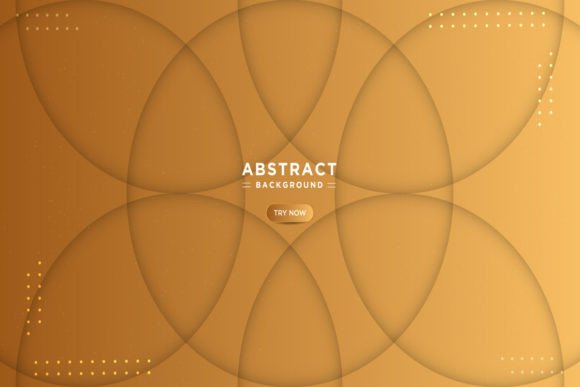
The Visual Pulse of Modern Design: Mastering Abstract Circle Backgrounds
There is a specific kind of visual energy that draws the eye without overwhelming it—a subtle, rhythmic pulse that feels both contemporary and timeless. This is the essence of the abstract modern circle background, a design asset that has become a quiet powerhouse in the toolkit of creators across industries. More than just a collection of shapes, it’s a versatile foundation that communicates motion, unity, and sophistication. Whether you're crafting a brand identity, designing a website hero section, or creating scroll-stopping social media content, understanding how to leverage this style can transform your projects from ordinary to captivating. It’s not about following a trend; it’s about employing a visual language that speaks directly to modern aesthetics.
Why Circles Resonate: The Psychology Behind the Shape
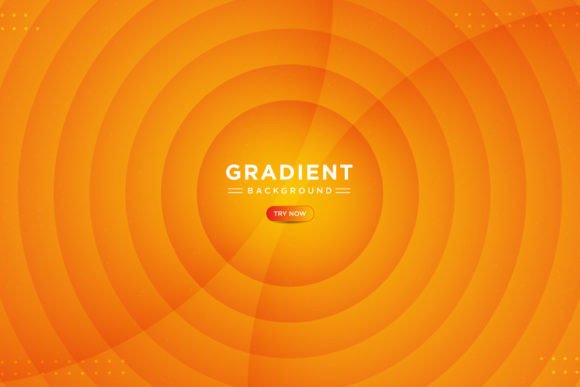
Before diving into applications, it’s worth understanding why this particular motif is so effective. Circles are inherently associated with harmony, community, and completeness. In a world of sharp angles and fragmented information, they offer a sense of softness and approachability. When rendered with a modern, abstract twist—think overlapping gradients, subtle textures, and strategic negative space—they become dynamic rather than static. This style, often seen in an abstract modern circle gradient background with a ball, adds a layer of depth and focus. The "ball" or central sphere can act as a natural focal point, guiding the viewer's eye exactly where you want it. This psychological underpinning is what makes it more than just a pretty pattern; it's a strategic design choice.
From Screen to Print: A Universe of Practical Applications
The true value of a well-executed design asset lies in its adaptability. This is where the abstract modern circle background truly shines, offering a cohesive visual thread that can be pulled through an entire project ecosystem.
For branding and logo design, these backgrounds provide a sophisticated stage. They can frame a logo, adding context and depth without competing with it. Imagine a sleek, sans-serif logo floating within a field of soft, overlapping circles—it immediately conveys innovation and clarity. This approach is equally powerful for packaging design, where the background can wrap around a box or label, creating an unboxing experience that feels curated and premium.
In the digital realm, the applications are nearly endless. As a website or blog background, it sets a professional tone, making content feel more elevated. For social media graphics, it’s a game-changer. The dynamic nature of the circles and gradients naturally stops the scroll, making it perfect for Instagram stories, Facebook cover photos, and LinkedIn banners that need to look sharp and intentional. It provides a consistent backdrop for quotes, promotions, and announcements, strengthening brand recognition with every post.
Print materials haven’t been left behind. This style translates beautifully to posters, flyers, and invitations, offering a modern alternative to stock photography or flat colors. It can make event details pop on a wedding invitation or give a corporate flyer a contemporary edge. Even merchandise like tote bags, notebooks, or apparel benefits from this aesthetic, appealing to a design-conscious audience.
Integrating the Asset: A Practical Workflow for Creatives
Having a stunning file is one thing; using it effectively is another. The key to seamless integration is thinking of the abstract background as a foundational layer, not the final product. Here’s how to approach it:
- Establish Visual Hierarchy: Use the background’s natural flow to guide composition. Place key text or your logo in areas of lower visual complexity or within the negative space created by the circles. The provided "ball" element is your built-in anchor point.
- Font Pairing is Critical: A busy, colorful background demands typography that is clean and legible. Pair it with a strong sans serif font for headlines to maintain modernity, or a crisp serif font for body text to add a touch of elegance. Avoid overly decorative script fonts or handwritten fonts for main text, as they can get lost. Use them sparingly for accent words if the style calls for it.
- Leverage Editability: The fact that all objects, colors, and text are fully editable is your greatest advantage. Don’t settle for the default color palette. Adjust the hues to match your brand’s specific color codes. Tweak the opacity of layers. Move elements to better frame your content. This transforms a generic asset into a bespoke component of your brand identity.
- Consider the Medium: For digital use, ensure the RGB color mode is utilized for vibrant screen display. For print projects, you may need to convert the colors to CMYK, so review them carefully to avoid dullness. The 1200x800 pixel size is ideal for web banners, social media headers, and digital ads, but may require upscaling or recomposition for large-format print like posters.
Beyond Aesthetics: Building Cohesion and Professionalism
Adopting a consistent visual style like the abstract modern circle background does more than just make things look good—it builds trust. When a potential customer sees the same sophisticated, cohesive aesthetic across your website, your Instagram feed, your email newsletter, and your product packaging, it sends a powerful message about your attention to detail and professionalism. This visual consistency is a cornerstone of effective branding. It makes your business instantly recognizable in a crowded marketplace.
Furthermore, using a premium font and a high-quality background asset elevates the perceived value of whatever you’re creating. For a small business owner or entrepreneur, this can be the difference between appearing as a hobbyist and being seen as a serious contender. For a designer or marketer, it streamlines the creative process, providing a reliable and high-impact starting point for a wide range of design assets, from editorial layouts to marketing collateral.
In the end, the goal is to communicate more effectively. A thoughtfully chosen and skillfully applied abstract background does exactly that. It provides context, evokes emotion, and captures attention, allowing your core message—whether it's a brand story, a product launch, or a piece of art—to land with greater impact. It’s a tool that, when mastered, becomes an extension of your creative voice.