Golden Light Hexagonal Patterns: A Designer's Guide
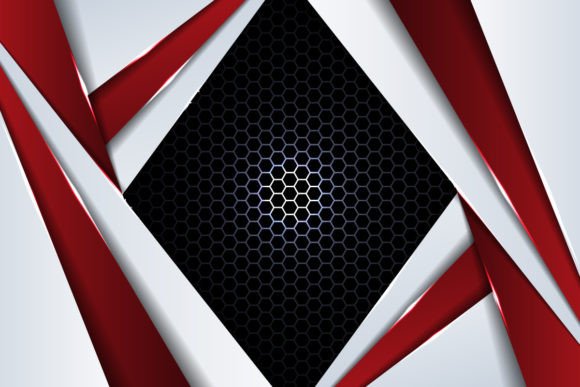
There’s a certain magic that happens when geometry and light intersect in design. It’s more than just a backdrop; it’s a statement of sophistication and modernity. When you look at a Modern Overlap Layered Background, particularly one featuring golden light hexagonal patterns, you aren't just seeing shapes. You are witnessing a visual language that speaks to innovation, structure, and premium quality. For designers, marketers, and entrepreneurs, understanding how to leverage this specific aesthetic can transform a standard project into a captivating visual experience that holds a viewer's attention and communicates value instantly.
The Psychology of Geometry and Gold
Why do hexagons work so well in modern design? Unlike squares, which can feel rigid and static, or circles, which can feel soft and undefined, hexagons offer a unique balance. They tessellate perfectly, symbolizing efficiency and harmony—think of honeycombs or molecular structures. When you introduce an abstract modern overlap layered background with these shapes, you add depth. The overlapping elements create a sense of complexity and movement, suggesting that a brand or project is multi-faceted and dynamic.
Add "golden light" to this equation, and the mood shifts from purely structural to luxurious. Gold has always been associated with success, prestige, and warmth. In digital and print media, using a Premium Vector asset that mimics the way light catches on metallic or translucent surfaces adds an immediate "high-end" feel. It catches the eye without overwhelming the content placed on top of it. This combination is particularly effective for industries like finance, tech startups, luxury goods, and high-end events, where you need to convey trust and authority simultaneously.
Practical Applications: Beyond the Wallpaper
One of the biggest mistakes creatives make with high-impact design assets is limiting their imagination. While this style is obviously stunning as a wallpaper or a desktop background, its utility extends far deeper into the creative ecosystem. Because the file is fully editable—allowing changes to objects, colors, and text—it becomes a versatile tool rather than a static image.
Consider how this aesthetic fits into various project types:
- Branding and Logo Design: A logo needs to stand out. Using a subtle hexagonal texture behind your primary logo mark can add dimension to business cards or letterheads. It provides a professional and clean canvas that ensures your typography pops.
- Social Media Graphics: In the endless scroll of Instagram or LinkedIn, visual stopping power is everything. A banner or profile header featuring these golden geometric patterns instantly elevates your digital presence. It suggests that your brand is current and pays attention to detail.
- Event Invitations and Flyers: Whether it’s a corporate gala, a tech conference, or a product launch, the "golden light" motif sets the tone. It promises an event that is well-organized and significant.
- Packaging and Merchandise: For physical products, this design works beautifully on box inserts, tissue paper patterns, or the background of a product label. It adds a tactile feeling of quality even in a 2D design.
- Editorial Layouts: If you are designing a magazine cover background or a blog header, this style provides a modern backdrop that doesn't distract from the main imagery but supports the overall layout structure.
Maximizing the "Fully Editable" Advantage
When investing in design assets, the "fully editable" feature is the most critical component for ROI. A static JPG is limiting; a file where all objects, colors, & text are editable is a long-term partner in your design workflow. Let's break down how to use the specific features mentioned in this asset kit to your advantage.
First, look at the RGB Color Mode. This is the standard for digital displays. If your primary goal is web design, social media graphics, or digital presentations, RGB ensures the colors remain vibrant and true to the "golden light" effect. However, if you are moving this design to print (like a flyer or business card), remember that you will need to convert the color mode to CMYK. The beauty of having the source files (like Illustrator EPS Files) is that you can make this conversion manually and adjust the saturation of the gold tones to ensure they don't look muddy on paper.
The Size 1200×800 pixel dimension is a standard widescreen ratio (3:2), making it ideal for hero images on websites or presentation slides. However, for social media stories or vertical posters, you will need to crop or extend the canvas. Because you have the vector source files, you can simply rearrange the hexagonal elements to fit a 9:16 aspect ratio without losing quality. This flexibility is what separates amateur design from professional execution.
Typography and Hierarchy in a Complex Environment
Designing text overlays on a busy, layered background can be tricky. You have a visually rich pattern of hexagons and light; if you aren't careful, your message gets lost. This is where understanding modern typography and font pairing becomes essential.
Since the background is geometric and somewhat futuristic, you have two main paths for font selection:
- Contrast with Serifs: A classic, elegant serif font can create a beautiful tension between the modern background and traditional typography. This works well for luxury branding or editorial design, giving the layout a timeless feel.
- Harmony with Sans Serifs: To lean into the tech-forward vibe, use a clean, bold sans serif font. This keeps the look cohesive and highly readable.
Regardless of the font style you choose, readability is paramount. Because the background features "overlap," there will be areas of high contrast (where light hits) and low contrast (shadows). Place your critical text—headlines, CTAs, or contact info—over the areas with the least visual noise. If the background is too busy, use a semi-transparent shape (a container) behind your text to separate it from the hexagonal chaos. This ensures your brand identity remains legible and professional.
Building a Cohesive Visual Identity
Consistency is the bedrock of brand recognition. When you find a visual style that resonates, like the Modern Overlap Layered Background, you should aim to weave it through multiple touchpoints. Don't just use it for one Facebook ad and forget about it.
Imagine a customer journey: They see a social media graphic with the golden hexagons, click through to your website where the hero image uses the same style, and then receive a PDF brochure that utilizes the pattern as a footer element. This repetition builds a subconscious association between that visual quality and your brand. It signals reliability and attention to detail.
Furthermore, the ability to change colors allows you to adapt this single asset to different seasons or campaigns. Keep the structure (the hexagons) but swap the gold for a cool blue for a winter campaign, or a vibrant red for a summer sale. You maintain the "shape" of your brand identity while refreshing the "mood."
Technical Tips for Seamless Integration
To get the most out of this asset, keep a few technical best practices in mind. Since the package includes EPS files, you have the advantage of infinite scalability. This is crucial for print materials like large-format posters or banners. Never stretch a pixel image to fit a billboard; always use the vector source.
Additionally, pay attention to the free font used in the preview images. While you have the freedom to change the text, checking out the original font can give you clues about the designer's intent. It might be a typeface you haven't considered that pairs perfectly with the geometric lines of the background. If you decide to use that font for your own commercial projects, always double-check the licensing to ensure it covers your specific usage (e.g., merchandise vs. digital ads).
Finally, organize your layers. When you open the file in Illustrator, take a moment to label and group the hexagonal layers. This "clean file" management will save you hours of headache later when you need to quickly swap out a background element or adjust the opacity of the light effects for a specific marketing asset.
Elevating Your Creative Toolkit
In the crowded digital landscape, generic visuals are invisible. Using high-quality, abstract design elements like the Modern Overlap Layered Background demonstrates a commitment to excellence. It’s not just about filling space; it’s about creating an atmosphere that supports your message. Whether you are a small business owner designing your own flyers, or a freelance designer looking for assets to speed up your workflow, investing in versatile, editable, and visually striking backgrounds is a strategic move. It allows you to produce work that looks custom-crafted, ensuring your projects—and the brands they represent—shine with a professional, polished glow.