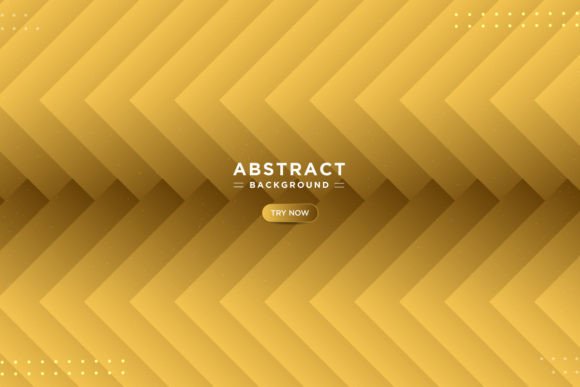
Layered Square Gradient Background: A Modern Design Essential
Imagine a design element that instantly adds depth, sophistication, and a contemporary edge to your work. That's the power of a well-crafted Layered Square Gradient Background. This isn't just another flat color or a simple pattern; it's a dynamic visual tool that combines geometric precision with the fluidity of color transitions, creating a backdrop that feels both structured and alive. For designers, entrepreneurs, and creators, it represents a versatile asset that can elevate a wide range of projects from ordinary to eye-catching.
The Visual Appeal: Why Gradients and Geometry Work
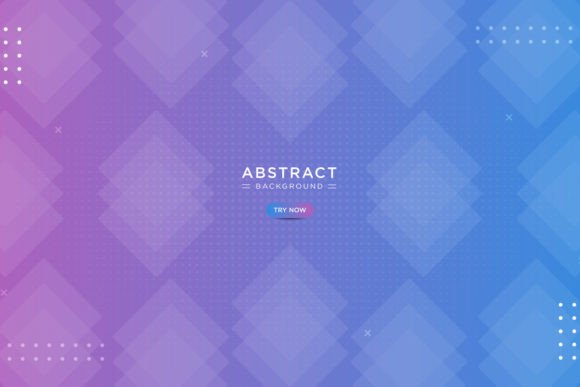
At its core, a layered square gradient background leverages two fundamental design principles: structured geometry and smooth color flow. The square grid provides a clean, modern framework that feels organized and intentional. Overlaid with gradients—transitions between colors—this structure gains movement and depth. The "layered" aspect is key; multiple semi-transparent squares or gradient fields stack upon each other, creating complex, moiré-like patterns and rich visual textures. This technique avoids the flatness of a single gradient while maintaining a cohesive, professional look. It’s a style that resonates with modern aesthetics, often seen in tech branding, editorial layouts, and digital interfaces where a balance of clarity and visual interest is crucial.
The result is a background that doesn’t compete for attention but actively supports the foreground content. It guides the viewer's eye, adds a layer of sophistication, and can be easily customized to match specific color palettes, making it a cornerstone of effective visual communication.
Practical Applications for Your Creative and Business Projects
The true value of any design asset lies in its versatility. A high-quality abstract modern overlay layered square gradient background is far more than just a wallpaper. Its applications span across digital and print media, solving real-world design challenges for professionals and hobbyists alike.
- Brand Identity & Logo Design: Use it as a foundational element for brand presentations, mood boards, or even as a textured background within a logo mark itself. It helps establish a modern, innovative brand identity that feels current and thoughtful.
- Digital Marketing & Social Media: Create scroll-stopping graphics for Instagram posts, Facebook ads, or LinkedIn banners. The layered effect adds visual intrigue that helps your content stand out in a crowded feed, improving audience engagement.
- Web & UI Design: Ideal for website hero sections, app backgrounds, or dashboard interfaces. It provides visual interest without overwhelming text or buttons, enhancing user experience with a polished, professional feel.
- Print & Packaging: Apply it to business cards, brochures, product packaging, or event posters. The clean geometry translates beautifully to print, adding a premium touch that elevates the perceived value of the product or service.
- Editorial & Publishing: Perfect for magazine layouts, book covers, or blog post featured images. It creates a compelling visual hook that draws readers in and sets the tone for the content that follows.
Enhancing Your Workflow with Editable Design Files
A background is only as useful as the flexibility it offers. This is where the included fully editable files become a game-changer. Delivered in formats like Illustrator EPS, you're not just getting a static image. You're receiving a customizable template where every element is at your command.
Need to adjust the color scheme to match your client's brand guidelines? Simply edit the color stops in the gradient. Want to modify the opacity or arrangement of the square layers? Each object is separate and editable. This level of control is essential for maintaining visual consistency across all your materials. You can ensure that the background on your website seamlessly matches the one on your printed flyer, reinforcing brand recognition at every touchpoint. The inclusion of the RGB color mode and a specific 1200×800 pixel size makes it immediately ready for digital projects, while the vector EPS file allows for infinite scaling for larger print formats without loss of quality.
Making It Your Own: Color, Scale, and Integration
When incorporating this background into a project, a few practical considerations will maximize its impact. First, color psychology matters. Cool blues and purples can convey trust and innovation, while warm oranges and reds add energy and passion. Because the file is editable, you can test different palettes to see what best communicates your message.
Consider the scale of the pattern. In the provided file, the square grid has a specific rhythm. For a large poster, this might be perfect. For a small social media icon, you might want to zoom into a section of the background for a more abstract, textured look. The vector nature allows you to do this effortlessly.
Finally, think about layering with other design assets. This background works beautifully behind typography, illustrations, or product photos. Its complexity is controlled, so it won’t clash. Pair it with a clean sans serif font for maximum readability, or use a bold display font for headlines to create a striking contrast between the intricate background and crisp text. This thoughtful pairing is what separates good design from great design, ensuring your final piece is not only beautiful but also clear and effective.
For the creative professional or ambitious hobbyist, investing in a versatile, high-quality asset like this layered square gradient background is a strategic move. It saves countless hours of building complex patterns from scratch and provides a reliable, professional foundation for a myriad of projects. It’s a practical tool that empowers you to focus on your core message and creativity, secure in the knowledge that your visual foundation is strong, modern, and entirely adaptable to your needs.