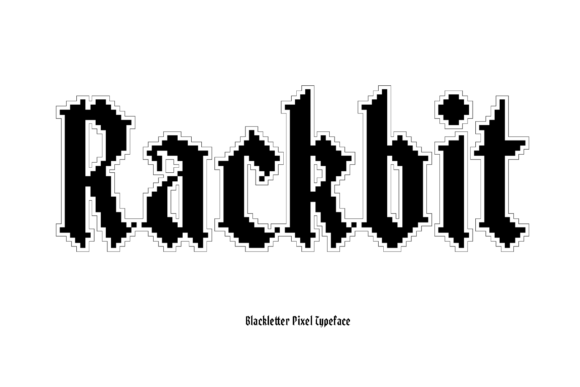
Rackbit: Where Gothic Grit Meets Pixel Precision
There’s a specific kind of visual tension that grabs attention instantly—the collision of history and technology. If you’ve ever sketched a logo on a napkin only to realize it needs to look like it belongs on a modern gaming interface, you know the struggle. Finding a typeface that respects the heavy, ornamental weight of medieval scripts without looking dusty or outdated is rare. Enter Rackbit, a typeface that doesn’t just bridge the gap between the past and the digital age; it smashes them together. This is a bold, blackletter font with a distinct pixelated twist, designed for creatives who want their work to feel grounded in history but built for the screen.
For designers, entrepreneurs, and content creators, typography is the silent ambassador of your brand. It sets the mood before a single word is read. Rackbit offers a unique aesthetic that serves a very specific but growing niche: the "retro-tech" vibe. It captures the essence of Gothic scripts—the authority, the intricate strokes, the undeniable presence—but renders them through a digital lens. The result is a typeface that feels familiar yet entirely new. Whether you are designing a logo for an indie game studio, creating merchandise for a streetwear brand, or laying out a poster for a music festival, understanding how to leverage a font like Rackbit can fundamentally change how your audience perceives your work.
The Anatomy of a Digital Blackletter
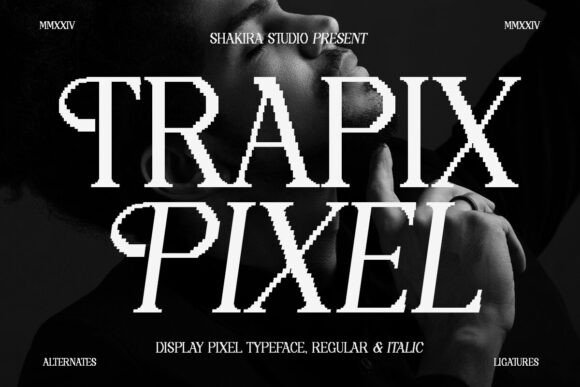
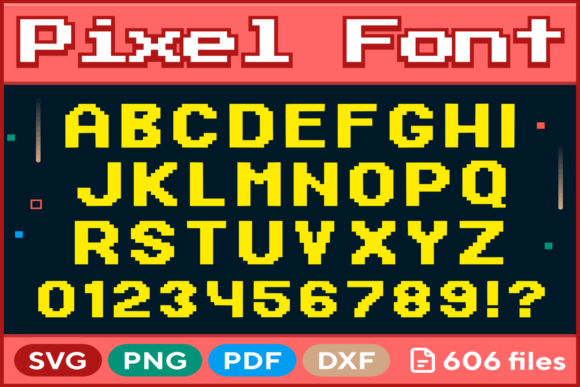
Blackletter fonts, often referred to as Gothic or Old English, have historically been associated with tradition, law, and religious texts. They are heavy, dramatic, and highly stylized. However, in modern design, they can sometimes feel too formal or difficult to read at smaller sizes. Rackbit solves this by adopting a "pixel execution." This doesn't mean the font is low-resolution; rather, the curves and strokes of the letters are constructed using blocky, pixel-like segments. This gives the typeface a jagged, edgy texture that mimics the look of early computer graphics or 8-bit video games.
The visual appeal lies in this contrast. You get the historic charm of Gothic scripts—the tall, narrow structure and the decorative weight—combined with a modern, digital edge. This makes it an incredibly versatile display font. It isn't trying to be a subtle body text; it demands to be seen. For brands looking to establish an identity that is both "classic" and "tech-forward," Rackbit provides an immediate visual shorthand. It tells the viewer that you respect tradition, but you operate in a digital space.
Practical Applications: Beyond the Logo
When we talk about a premium font like Rackbit, the first thought for many is logo design. And yes, it excels there. The unique silhouette of the letters ensures high recognizability, which is crucial for brand identity. However, the utility of a creative font extends far beyond a logo lockup. To get the most out of your design assets, you need to think about the entire ecosystem of your project.
Branding and Packaging: Imagine a craft brewery or a hot sauce brand. These industries thrive on bold personality. Using Rackbit on packaging design can instantly communicate intensity and flavor. It works exceptionally well on labels where you need the product name to pop off the shelf. Because of its pixelated nature, it avoids the "old world" heaviness of traditional blackletters, keeping the look modern and relevant for contemporary consumers.
Digital Products and Gaming: This is perhaps the most natural home for Rackbit. If you are a streamer, a game developer, or creating digital assets for a virtual world, this font feels native to the environment. It pairs beautifully with neon color palettes, dark backgrounds, and glitch effects. It can be used for user interfaces, chapter titles in interactive fiction, or headers on a gaming blog.
Merchandise and Apparel: The streetwear and heavy metal communities have long loved blackletter typography. Rackbit offers a fresh take on this, appealing to a demographic that loves the "cyberpunk" or "synthwave" aesthetic. T-shirts, hoodies, and skateboards featuring this typeface stand out because the lettering itself is a piece of art.
Editorial and Posters: Don't overlook print materials. For editorial design, specifically magazines focusing on music, art, or culture, Rackbit can be used for pull quotes or section headers to add dramatic flair. Similarly, for posters—whether for a concert, a movie night, or an event—the font ensures that the headline is readable from a distance while maintaining a distinct style.
Pairing and Readability: The Designer’s Balancing Act
One of the most common questions regarding stylized display fonts is: "What do I pair it with?" Because Rackbit is so visually dense and textured, it requires a partner that can step back and let it shine. You generally want to avoid pairing it with other decorative fonts, such as a complex script font or a handwritten font, as this will create visual chaos.
The best approach is to pair Rackbit with a clean, geometric sans serif font. Think of fonts like Montserrat, Roboto, or Helvetica. The clean lines of the sans serif will provide a resting place for the eyes, allowing the blackletter font to handle the heavy lifting of the headline. This contrast creates a hierarchy that guides the viewer’s eye naturally from the bold title to the supporting information.
Readability Considerations: It is vital to remember that Rackbit is a display typeface. This means it is designed for large sizes—headlines, logos, and headers. You should avoid using it for long blocks of body text or small captions. The intricate details and pixel breaks that make it look cool at 48pt will turn into a muddy mess at 10pt. Always prioritize legibility; if the audience has to squint to read your message, the design has failed, no matter how cool the font looks.
Strategic Typography for Brand Recognition
Typography is a strategic tool, not just a decorative one. Choosing a font like Rackbit is a decision about brand positioning. By selecting this typeface, you are signaling that your brand is bold, creative, and unafraid to stand out. This is particularly effective for small business owners and entrepreneurs who need to carve out a niche in a crowded market.
Consider the concept of visual consistency. If you use Rackbit across your website headers, your social media graphics, and your email newsletters, you create a cohesive visual language. Over time, your audience will start to associate that specific style with your brand. This builds recognition. When they see that jagged, pixelated Gothic text on a thumbnail, they will know it's your content before they even read the title.
However, balance is key. While it is tempting to use a striking font everywhere, effective design relies on restraint. Use Rackbit for the "hero" elements—the main title, the logo, the call to action. For the rest of your content, rely on your secondary typeface. This ensures that your designs remain professional and easy to consume, while still retaining that unique, medieval-meets-digital personality.
Making the Choice: Licensing and Final Thoughts
When investing in design assets, specifically commercial fonts, it is essential to understand the licensing. Most premium fonts come with different tiers of licenses—one for personal use and another for commercial use. If you plan to use Rackbit for a client project, on merchandise you intend to sell, or in marketing materials for your business, ensure you have the appropriate commercial license. This protects you legally and supports the type designers who create these tools.
Ultimately, Rackbit is more than just a collection of vectors; it is a vibe. It captures a specific moment in design culture where we are looking back at the history of typography while simultaneously pushing forward into digital frontiers. It offers a way to add grit, texture, and personality to projects that might otherwise feel sterile or generic.
Whether you are building a brand from the ground up or refreshing an existing visual identity, don't underestimate the power of the right typeface. Rackbit provides that rare combination of historical weight and digital agility, making it a formidable addition to any designer's toolkit. If your goal is to create something that feels bold, authentic, and visually arresting, this might just be the missing piece you’ve been looking for.