Trapix: The Retro-Modern Pixel Serif for Bold Creators
There's a particular kind of magic that happens when two seemingly opposite ideas collide. Think about vinyl records making a comeback in the streaming age, or pixel art thriving alongside hyper-realistic video games. That same electric tension lives inside Trapix, a typeface that doesn't just blend the old with the new—it creates something entirely its own. If you've ever stared at a blank canvas wondering how to inject personality into a project without sacrificing clarity, this font deserves your attention.
What Exactly Is Trapix?
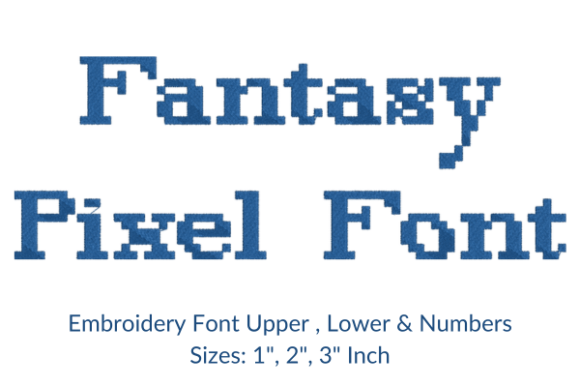
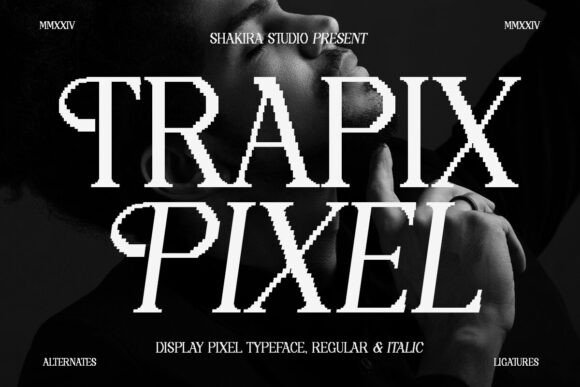
At its core, Trapix is a serif typeface, but calling it that feels like calling a jazz musician "someone who plays instruments." Yes, it has the structured letterforms and small finishing strokes we associate with traditional serif fonts, but there's a twist. Each character carries a distinct pixel-style construction, giving the entire alphabet a digital, almost nostalgic quality reminiscent of early screen typography and retro gaming aesthetics.
What makes this combination work so well is the balance. The serif framework provides readability and a sense of grounded professionalism, while the pixel detailing injects playfulness and modernity. It's the typographic equivalent of wearing a tailored blazer with sneakers—unexpected, stylish, and surprisingly versatile.
Trapix also ships with stylish alternates and ligatures, which means you're not locked into a single look. Swapping out alternate characters or connecting letters through custom ligatures lets you fine-tune the personality of your text to match the specific mood of your project. That kind of flexibility matters when you're building a brand identity or crafting a headline that needs to stop someone mid-scroll.
Where This Font Truly Shines
Trapix isn't a one-trick pony designed for a single niche. Its visual character makes it adaptable across a surprisingly wide range of creative applications. Here are some areas where it naturally excels:
- Branding and Logo Design: If your brand leans into tech, gaming, creative arts, or any space where innovation meets personality, Trapix offers a distinctive voice. A logo set in this typeface immediately signals that a company is forward-thinking without being cold or sterile.
- Poster and Editorial Design: Large-format typography is where Trapix's pixel details really come alive. Headlines on posters, magazine covers, and editorial spreads benefit from the texture and visual interest this font brings to the table.
- Packaging Design: For products targeting younger demographics or creative consumers—think indie cosmetics, craft beverages, or artisanal tech accessories—Trapix adds shelf appeal that feels fresh and intentional.
- Social Media Graphics: Standing out in a crowded feed requires visual distinctiveness. Using Trapix for quotes, announcements, or branded content templates gives your posts a recognizable signature look.
- Web and Digital Design: Whether you're designing a landing page, a blog header, or a digital product cover, this typeface brings character without overwhelming the overall layout. It pairs particularly well with clean sans serif fonts for body text.
- Merchandise and Invitations: From t-shirts and tote bags to event invitations and greeting cards, Trapix's retro-modern vibe translates beautifully to physical products and printed materials.
Building a Stronger Visual Identity With the Right Typeface
Choosing a font is rarely just about aesthetics—it's a strategic decision that affects how people perceive your brand, how easily they read your content, and whether your materials look polished or haphazard. A premium font like Trapix supports several key goals that matter to anyone building a business or creative practice.
Visual consistency is one of the most underrated benefits of working with a well-designed typeface. When you commit to a specific font family and use it consistently across your website, social channels, packaging, and print materials, your audience starts to recognize you before they even read a word. That kind of instant recognition is the foundation of strong brand identity.
Professional presentation also plays a significant role. There's a noticeable difference between designs that use default system fonts and those that incorporate thoughtfully chosen display fonts. Trapix signals intentionality. It tells your audience that you care about the details, which builds trust—especially important for small business owners and entrepreneurs competing against larger, more established brands.
Audience engagement is another area where typography makes a measurable difference. A unique, eye-catching font draws people into your content. It creates curiosity. It makes someone pause long enough to actually read what you've written. In a world of endless scrolling, that pause is incredibly valuable.
Practical Tips for Working With Trapix
Getting the most out of any creative font requires a bit of thoughtful application. Here are some practical recommendations for incorporating Trapix into your workflow:
- Start with the right context. Trapix works best when the project calls for personality and visual impact. It's an excellent choice for headlines, titles, and display text. For long-form body copy, consider pairing it with a more neutral sans serif font that provides comfortable reading at smaller sizes.
- Test your font pairings. Before finalizing any design, experiment with different combinations. Try Trapix alongside a clean geometric sans serif for a modern contrast, or pair it with a simple handwritten font for a more casual, approachable feel. The goal is harmony—each font should complement the other without competing for attention.
- Explore the alternates and ligatures. Don't overlook these features. Swapping in alternate characters for key letters in a headline or logo can dramatically change the visual tone. Ligatures add polish and sophistication, particularly in larger display sizes where those details are clearly visible.
- Consider readability at every size. While Trapix's pixel details look stunning at large scales, always check how your text renders at the sizes your audience will actually encounter. A headline on a poster has very different requirements than a caption on a mobile screen. Test across devices and print proofs when possible.
- Review the full font family. Many premium fonts include multiple weights or styles—bold, light, italic, condensed. Understanding what's included in your Trapix license helps you maximize its versatility without needing to purchase additional typefaces.
- Understand your licensing terms. If you're using Trapix for commercial projects—client work, products for sale, business branding—make sure your license covers those uses. Commercial font licensing protects both the designer who created the typeface and you as the user, ensuring you have clear rights to use the font in your specific context.
Making Typography Work Harder for Your Projects
Good typography doesn't announce itself—it just works. It guides the eye, sets the mood, and communicates meaning before a single word is consciously read. The trap many designers and business owners fall into is treating font selection as an afterthought, something to decide in the final five minutes of a project.
When you flip that approach and lead with typography—especially when you have a typeface as distinctive as Trapix at your disposal—everything else in the design falls into place more naturally. Colors feel more intentional. Layouts feel more cohesive. The overall message becomes clearer.
Whether you're a designer building out a brand system, a content creator developing templates for your audience, or an entrepreneur crafting the visual identity for your next venture, investing in a quality typeface is one of the highest-leverage decisions you can make. It's a design asset that pays dividends across every touchpoint where your brand shows up.
Trapix offers that rare combination of visual distinctiveness and practical versatility. Its pixel-serif character makes it memorable without being gimmicky. Its included alternates and ligatures give you creative control. And its broad application range means you won't outgrow it as your projects evolve.
The best creative tools are the ones that disappear into the work—the ones that help you communicate more effectively without drawing attention to themselves. With the right application and a bit of experimentation, Trapix has the potential to become exactly that kind of tool in your design toolkit.