The Allure of the Diagonal: Why This Gradient Style Works
There's a reason certain visual elements stand the test of time in design. The diagonal line, for instance, has always implied movement, energy, and progression. Pair that with the smooth transition of a gradient, and you get a background that feels both dynamic and sophisticated. A modern diagonal gradient background isn't just a pretty backdrop; it's a tool that guides the viewer's eye, creates depth, and establishes a specific mood without saying a word. It’s the kind of asset that can unify a brand's entire visual language, from a website hero section to a printed business card, offering a cohesive and contemporary feel.
Beyond Flat Color: Adding Depth with Layered Texture
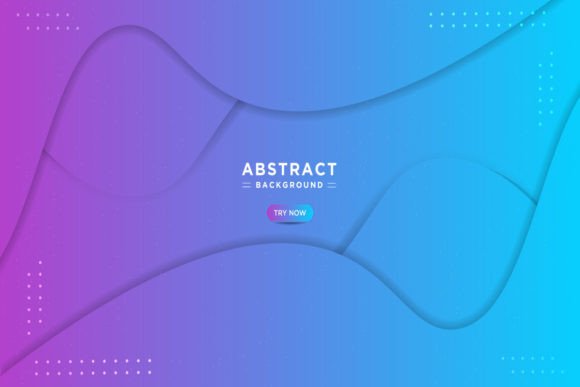
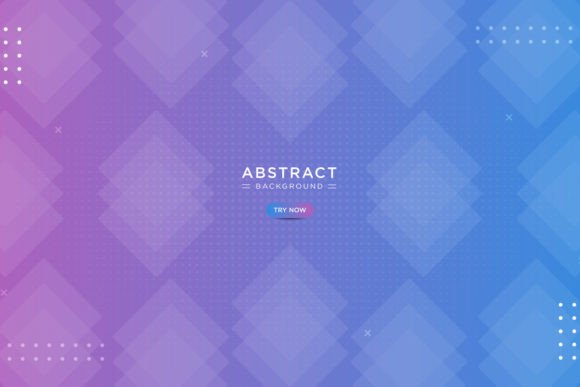
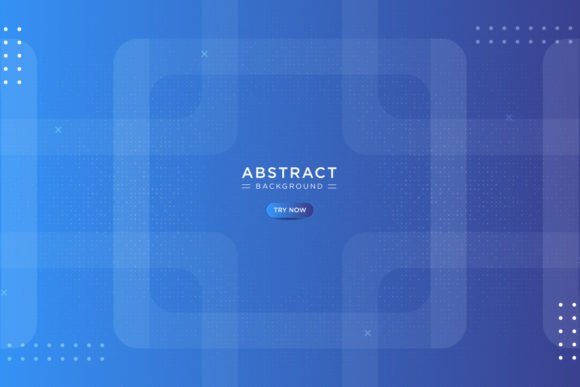
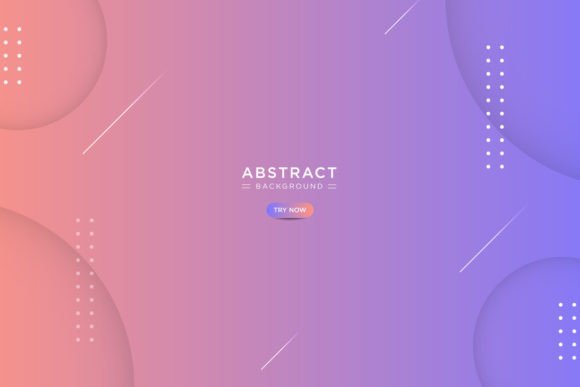
What sets a truly premium design asset apart is its ability to add complexity without clutter. This is where the concept of an abstract modern diagonal gradient background, especially one featuring an overlap layered 3D style with a halftone pattern, comes into its own. Imagine the smooth flow of a gradient, but with a subtle, textured halftone dot pattern that creates a sense of tactile dimension. The "overlap layered 3D style" suggests elements that seem to float at different planes, adding a sophisticated, almost editorial quality. This isn't a simple two-tone fade; it's a considered composition that provides visual interest and a professional polish that flat colors alone can't achieve. It speaks to a modern aesthetic that values both minimalism and nuanced detail.
Practical Applications for a Dynamic Backdrop
The versatility of this type of background is its greatest strength. For a startup crafting its brand identity, it can serve as the foundational layer for all marketing materials, instantly establishing a modern, energetic vibe. A content creator can use it to make their YouTube thumbnails or Instagram stories pop, ensuring their content stands out in a crowded feed. Here’s how it can be applied across various projects:
- Branding & Logo Design: Use the gradient as a background for your logo presentation or as a texture within the logo mark itself to add depth. It helps in creating a memorable brand mark that feels current.
- Digital & Web Presence: Perfect for website headers, landing page backgrounds, or blog post featured images. It grabs attention immediately and sets a professional tone for your online space.
- Social Media Graphics: Create scroll-stopping posts, stories, and covers for platforms like Instagram, LinkedIn, or Facebook. The diagonal movement naturally draws the eye across the content.
- Print & Packaging: Apply it to product packaging, business cards, or event posters. The layered texture translates beautifully to print, giving materials a high-end, tactile feel.
- Marketing & Editorial: Use it as a background for email headers, digital ads, or magazine layouts. It provides a visually consistent and engaging canvas for text and imagery.
Maximizing the Asset: Editability and Practical Tips
A high-quality vector file is more than just a pretty picture; it's a flexible tool. The fact that this asset is fully editable—with all objects, colors, and text adjustable—is crucial for real-world use. You can match the gradient colors precisely to your brand's palette, tweak the halftone pattern's scale, or isolate the 3D layered elements to use as standalone graphics. The inclusion of Illustrator EPS files ensures scalability, meaning your design will look crisp on a tiny favicon or a massive billboard.
When incorporating such a distinct background, keep a few practical considerations in mind:
- Typography is Key: Pair it with clean, legible fonts. A bold sans-serif for headlines often works well against the textured background, while a more neutral serif or sans-serif can be used for body text to ensure readability. Test your font pairings carefully.
- Color Harmony: While the gradient is editable, consider the psychology of color. A blue-to-purple gradient evokes tech and creativity, while a warm orange-to-pink feels more energetic and approachable. Align it with your project's goals.
- Balance with Content: Let the background support your message, not overwhelm it. Use solid color overlays or strategic placement of text and imagery to create focal points and maintain clarity.
- Licensing for Peace of Mind: Always verify the commercial licensing. A premium asset with clear licensing allows you to use it confidently across client projects, merchandise, and digital products without legal worries.
Ultimately, a well-chosen background does more than fill space. It communicates a value, a style, and a level of professionalism. By integrating a modern, textured asset like this into your toolkit, you're not just decorating a surface—you're building a visual foundation that can elevate every piece of communication you create, ensuring consistency and recognition in a visually saturated world.